LearnZillion ELA
Thousands of practical and effective standards-aligned video lessons for grade 2-12 math and ELA - built by teachers for teachers.
Videos

Acknowledging Opposing Viewpoints in Persuasive Writing
Active Voice vs. Passive Voice: Strengthen Your Writing
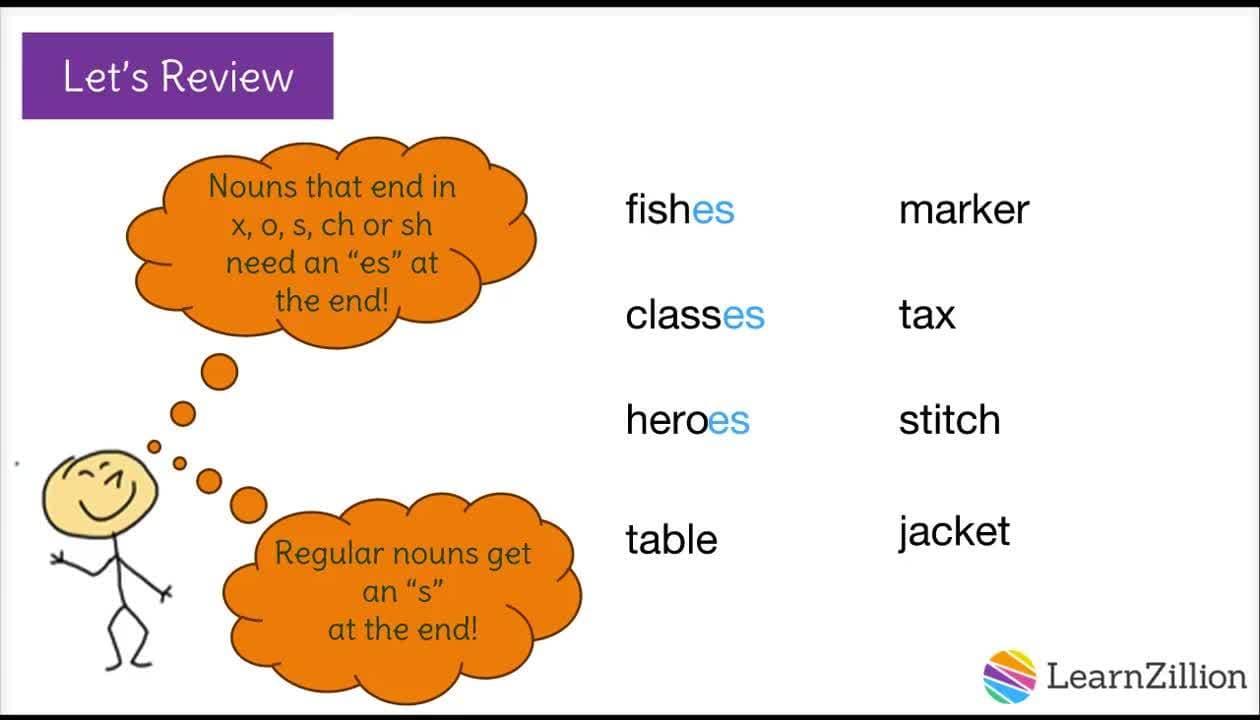
Adding 'es' to Plural Nouns
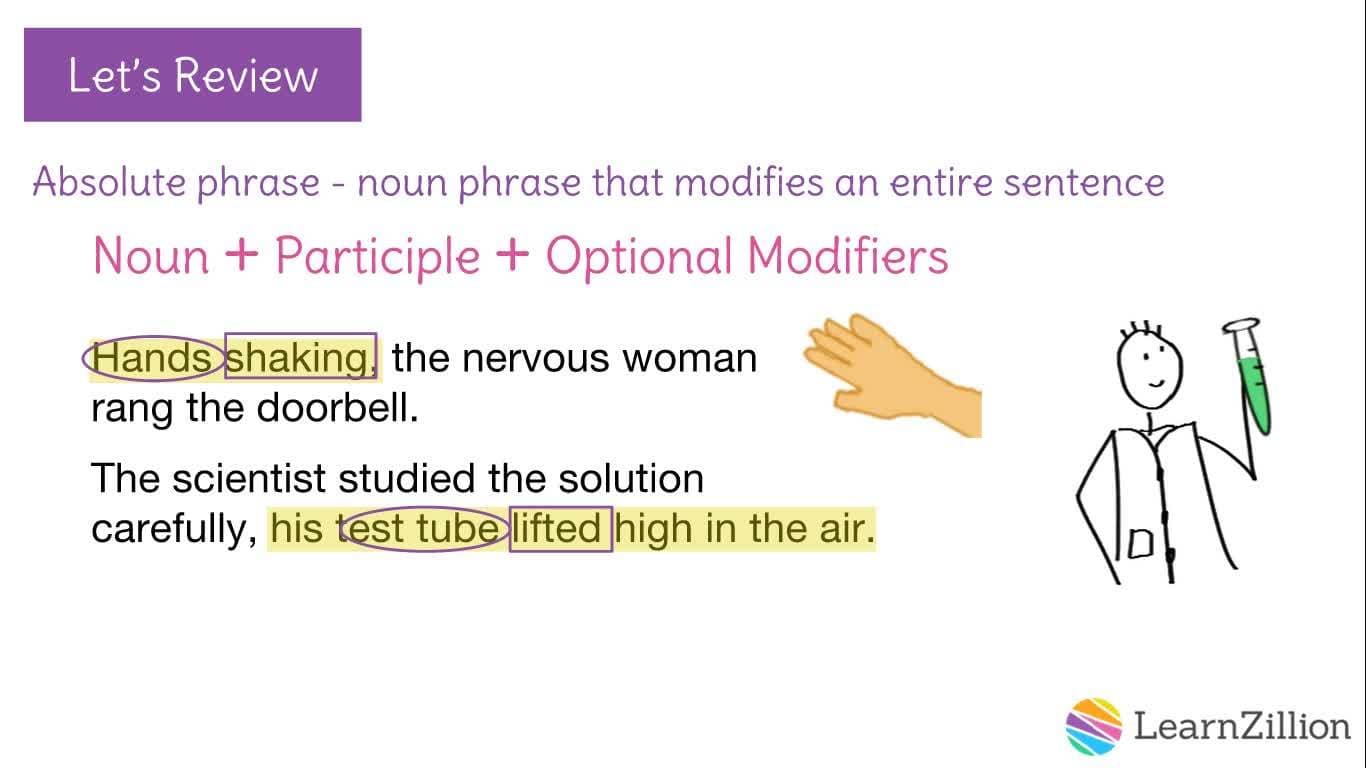
Adding Absolute Phrases to Enhance Descriptive Writing
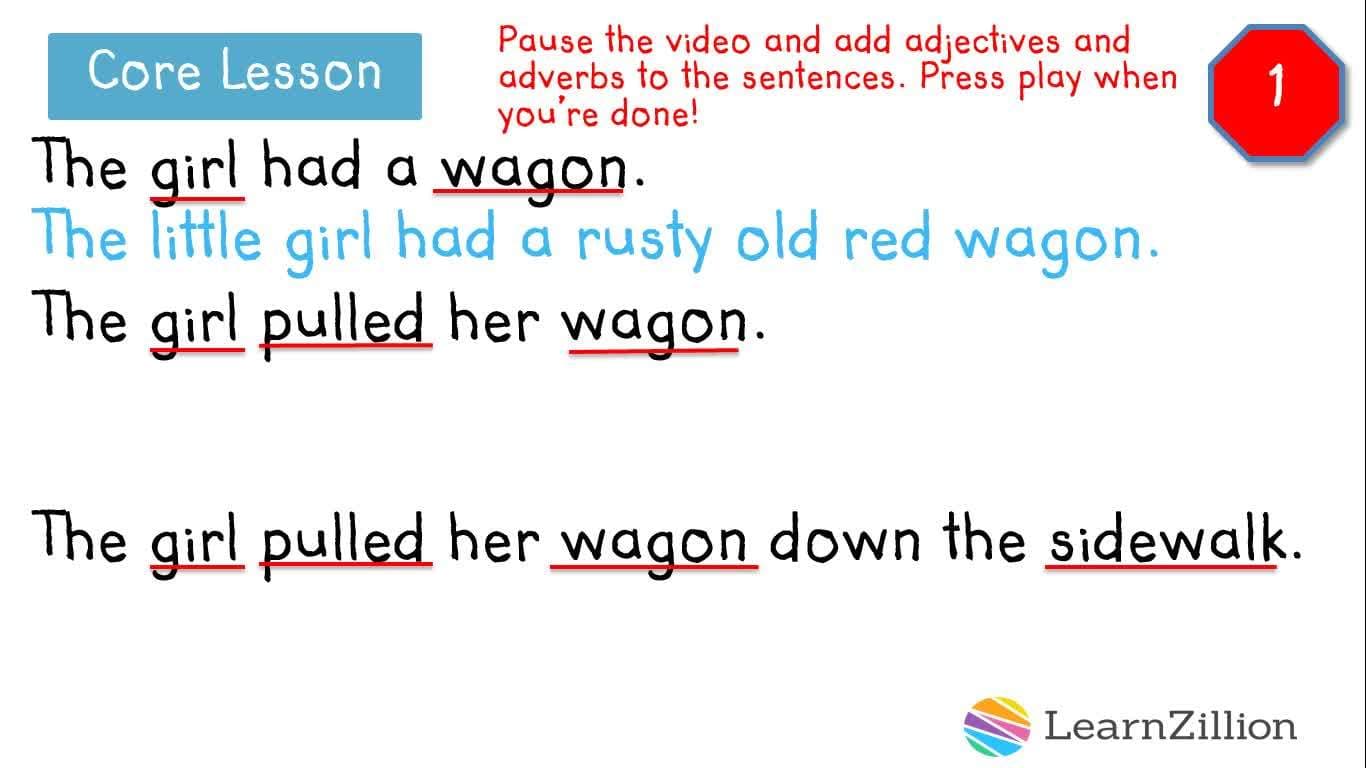
Adding Adjectives and Adverbs to Make Your Writing More Precise

Adding Description to Introduce Characters and Their Motivation
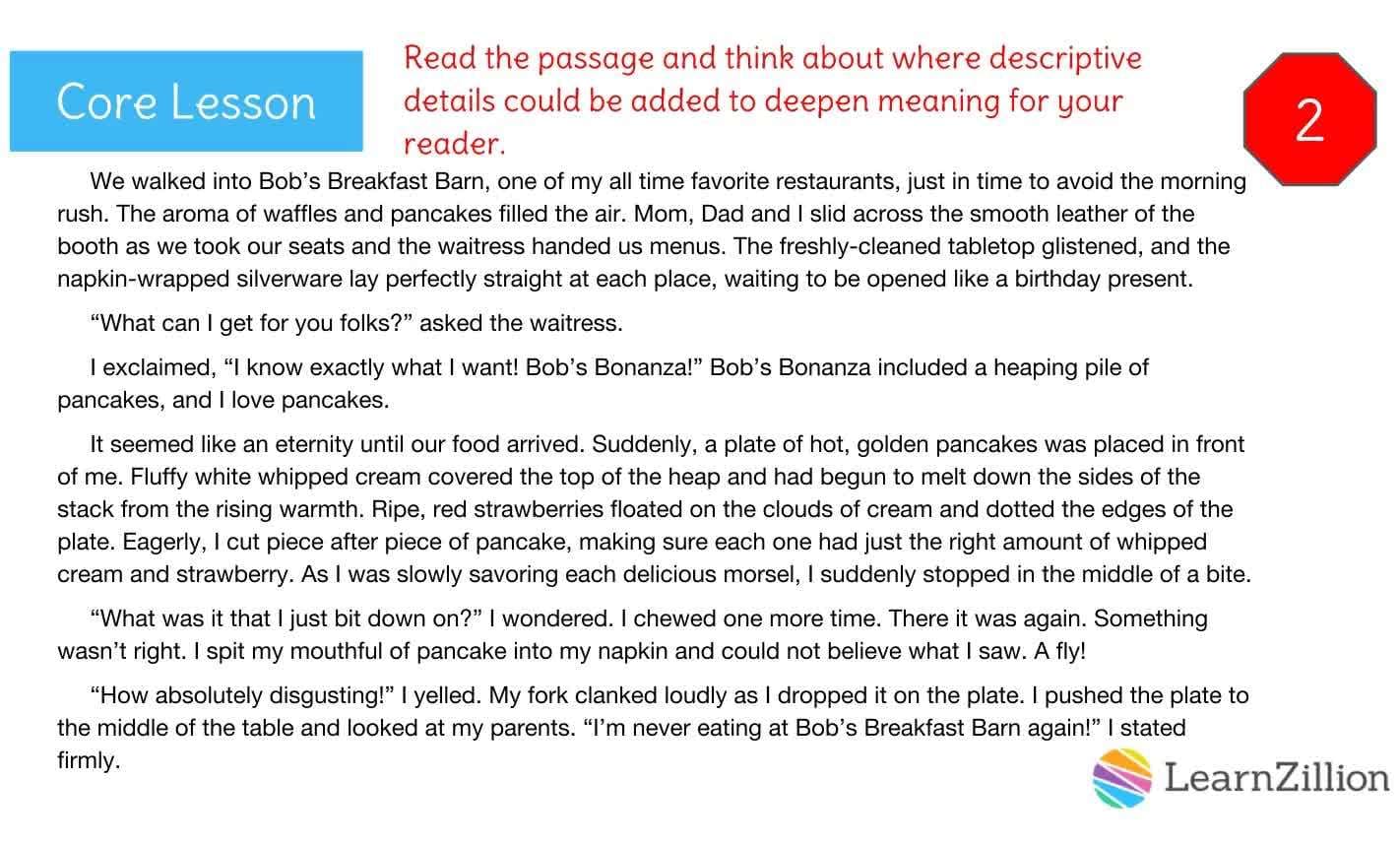
Adding Descriptive Details to Deepen Meaning in Writing
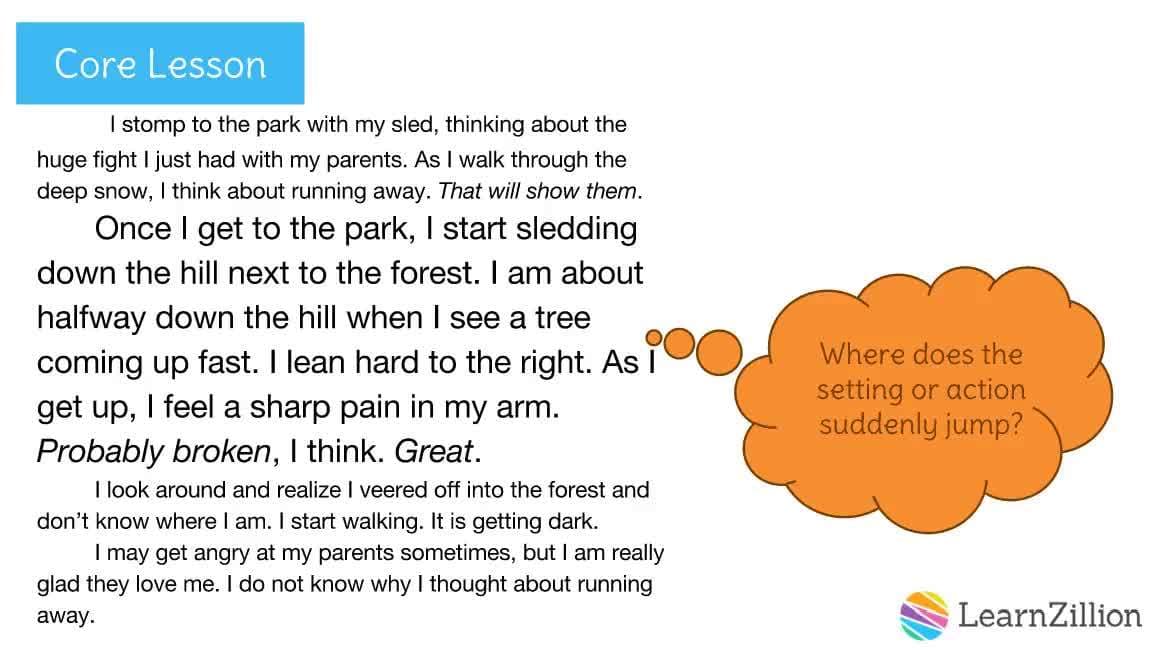
Adding Details for Flow in Writing

Adding Details to Create Engaging Characters and Conflicts
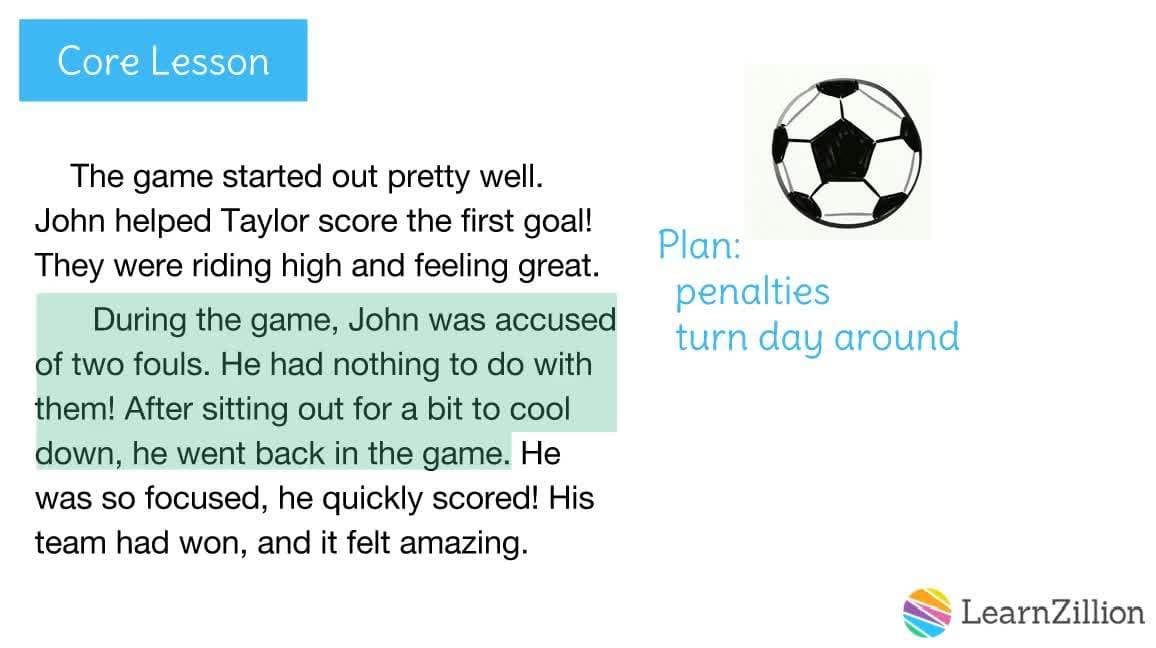
Adding Details to Enhance the Complication in a Story

Adding Details to Show the Sequence of Events in a Story
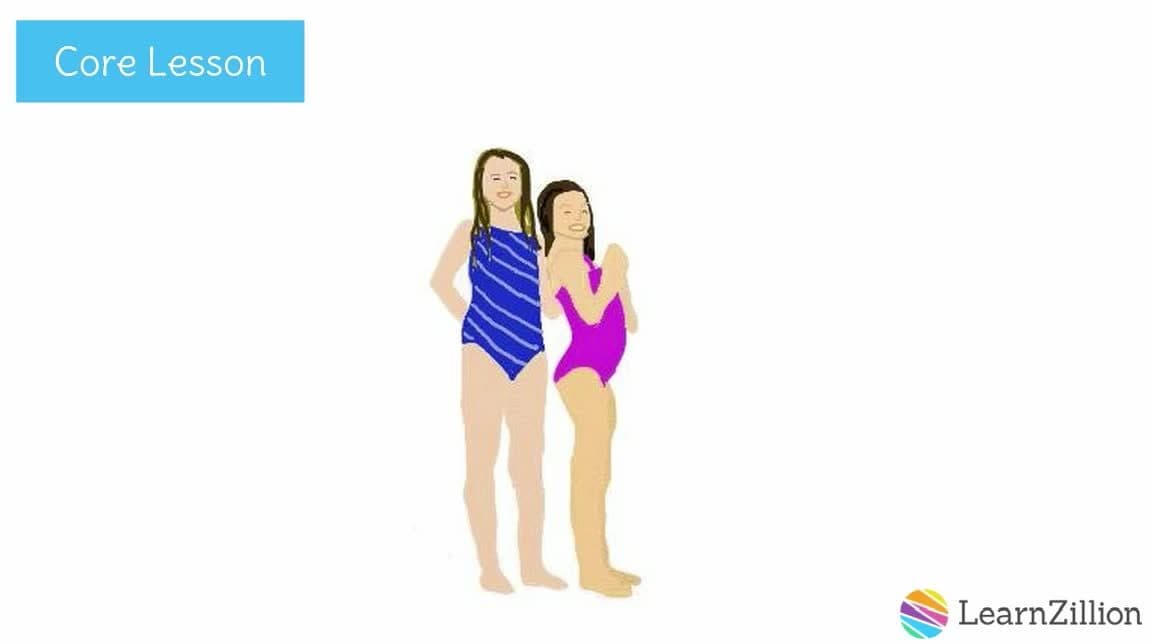
Adding Dialogue to Describe Characters
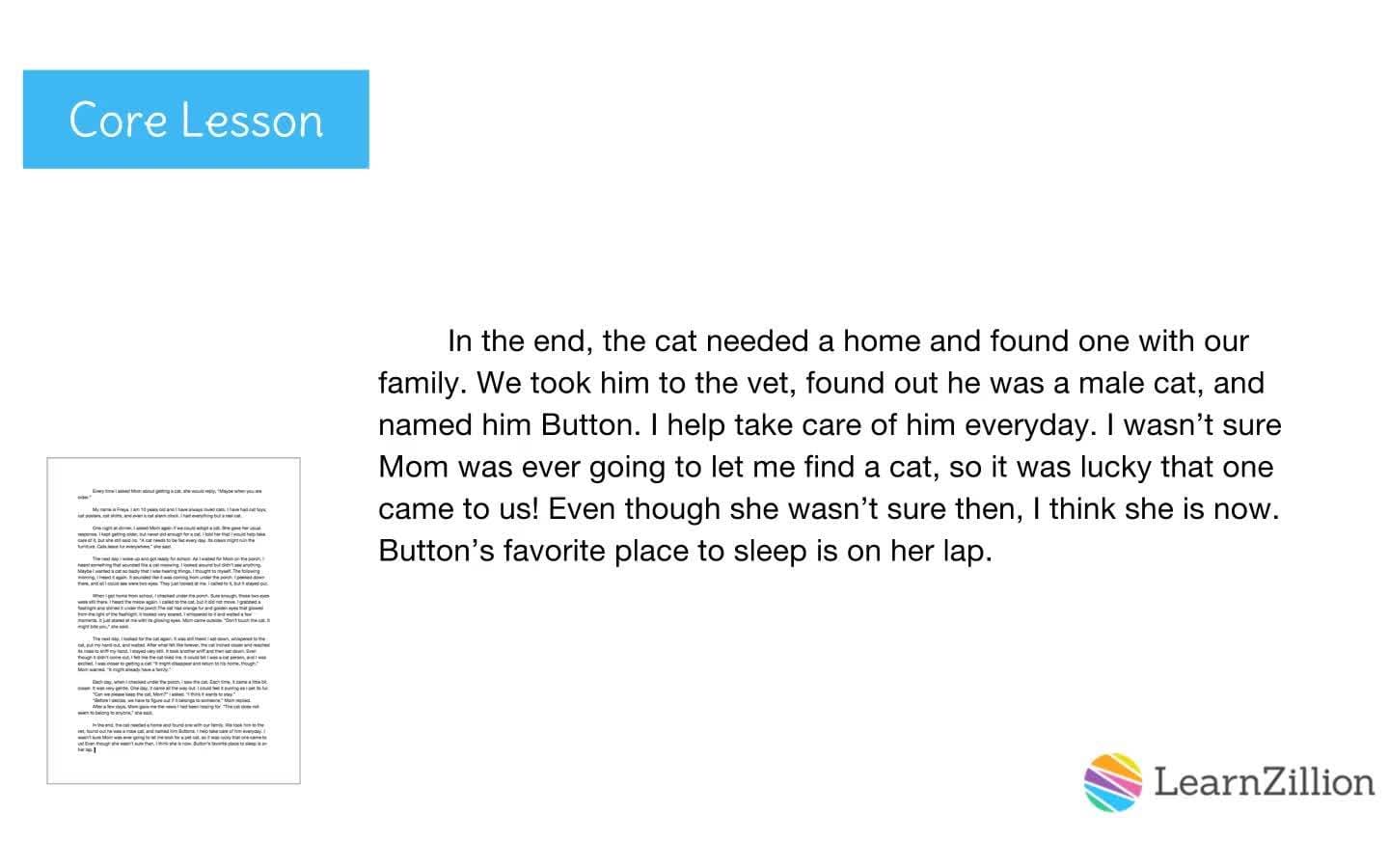
Adding Dialogue to Develop a Story

Adding Dialogue to Enhance Your Storytelling
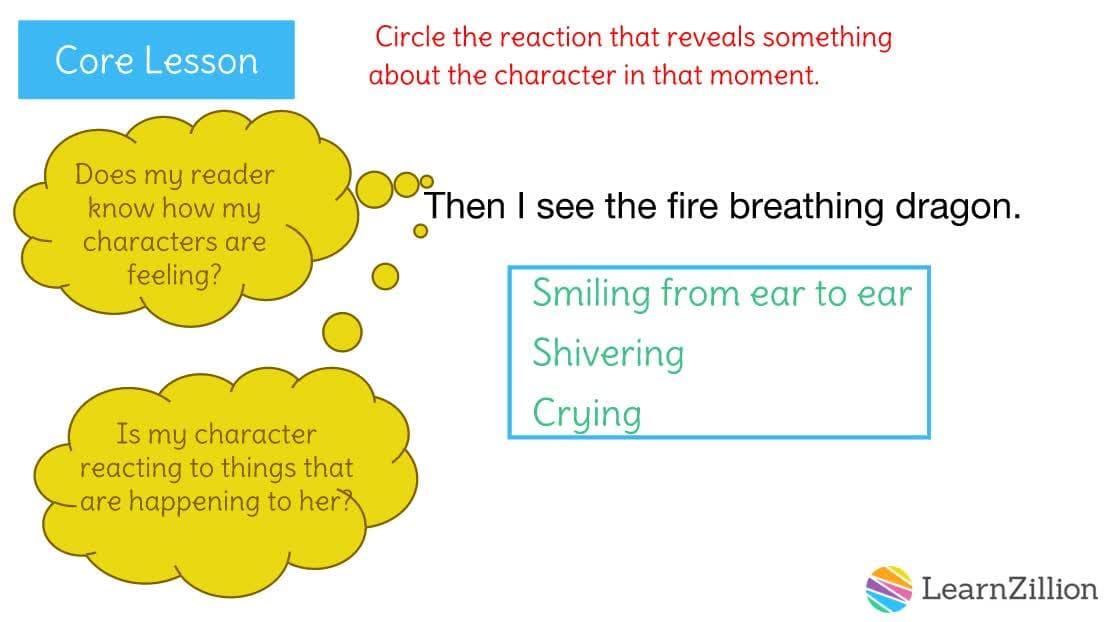
Adding Physical Actions to Enhance Character Reactions in Writing

Adding Positives to Clarify Meaning and Add Interest
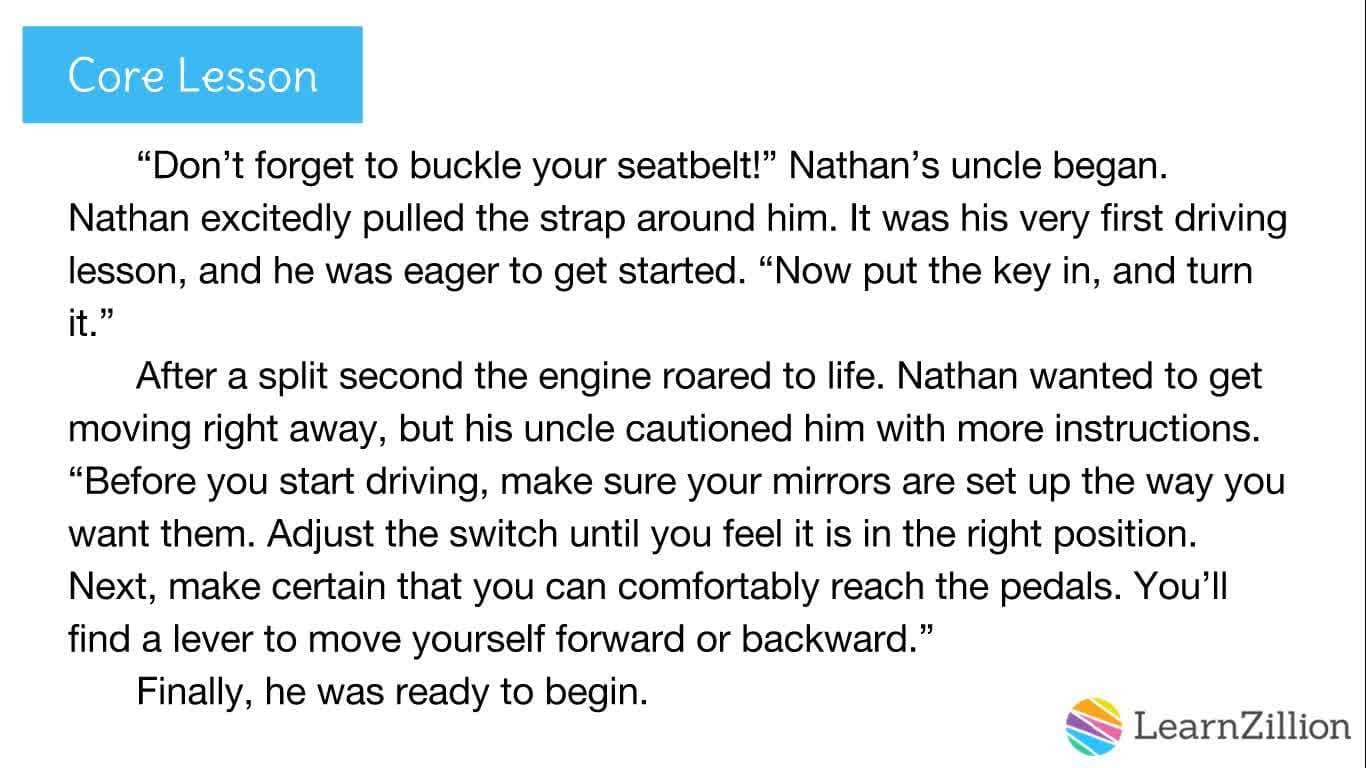
Adding Prepositional Phrases to Enhance Meaning in Writing
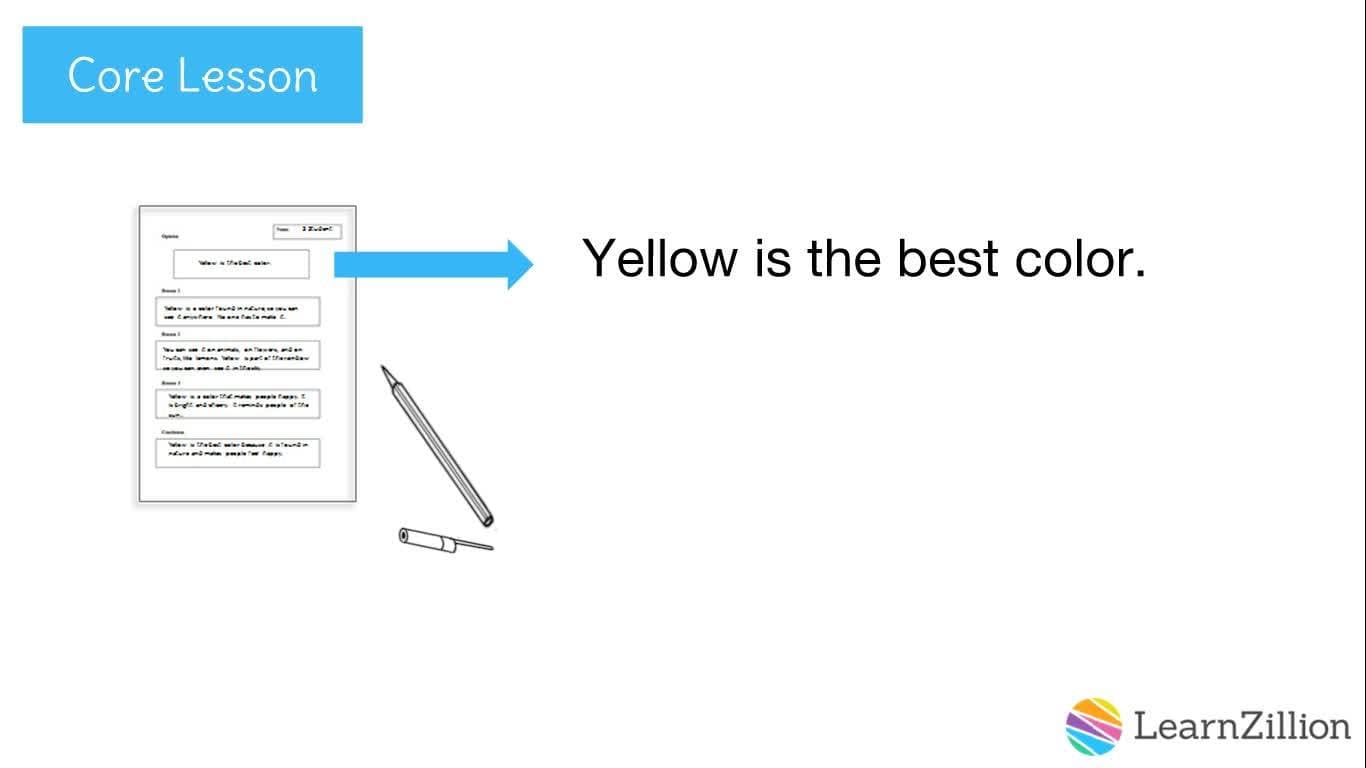
Adding Purpose to Your Opinion Writing

Adding Quotations from Expert Sources to Strengthen Your Argument

Adding Sensory Details to Enhance Your Writing
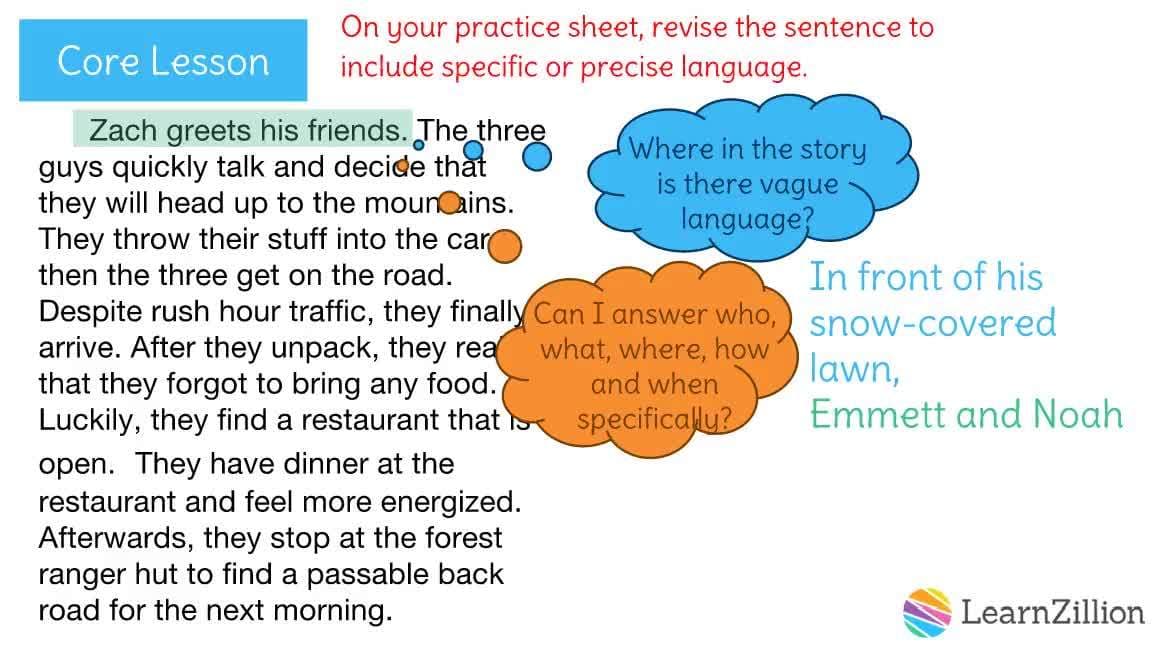
Adding Specific Words and Phrases to Make Your Writing Come Alive

Adding Strong Evidence to Support Arguments

Adding Textual Features in Informational Writing
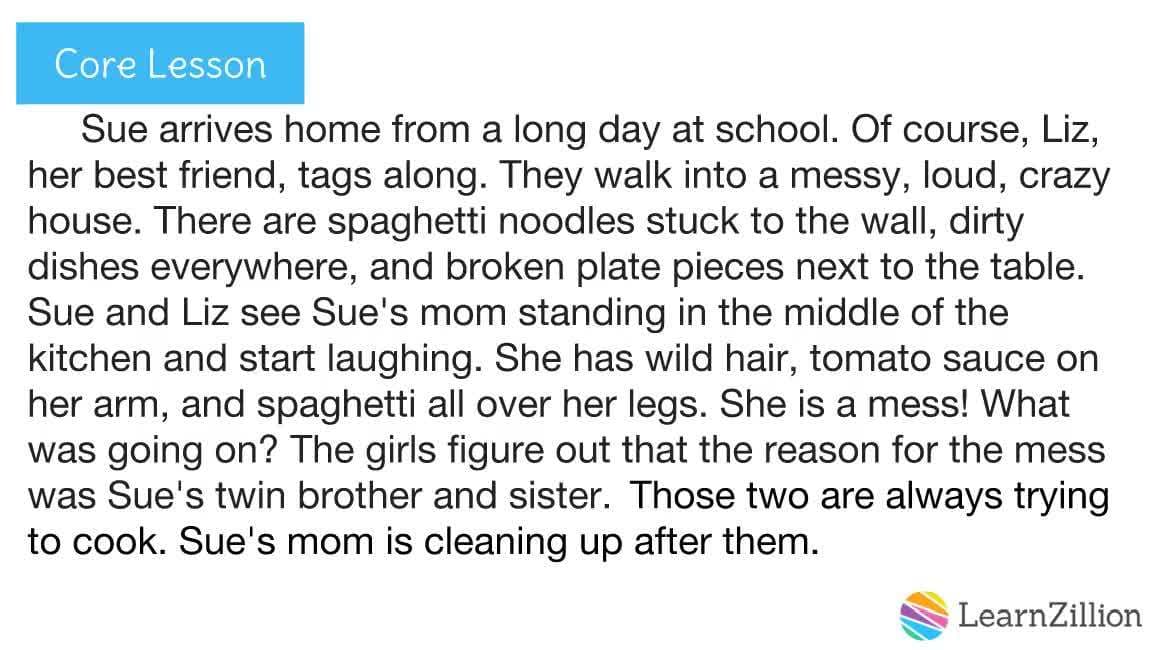
Adding Time Transitions to Improve Your Writing
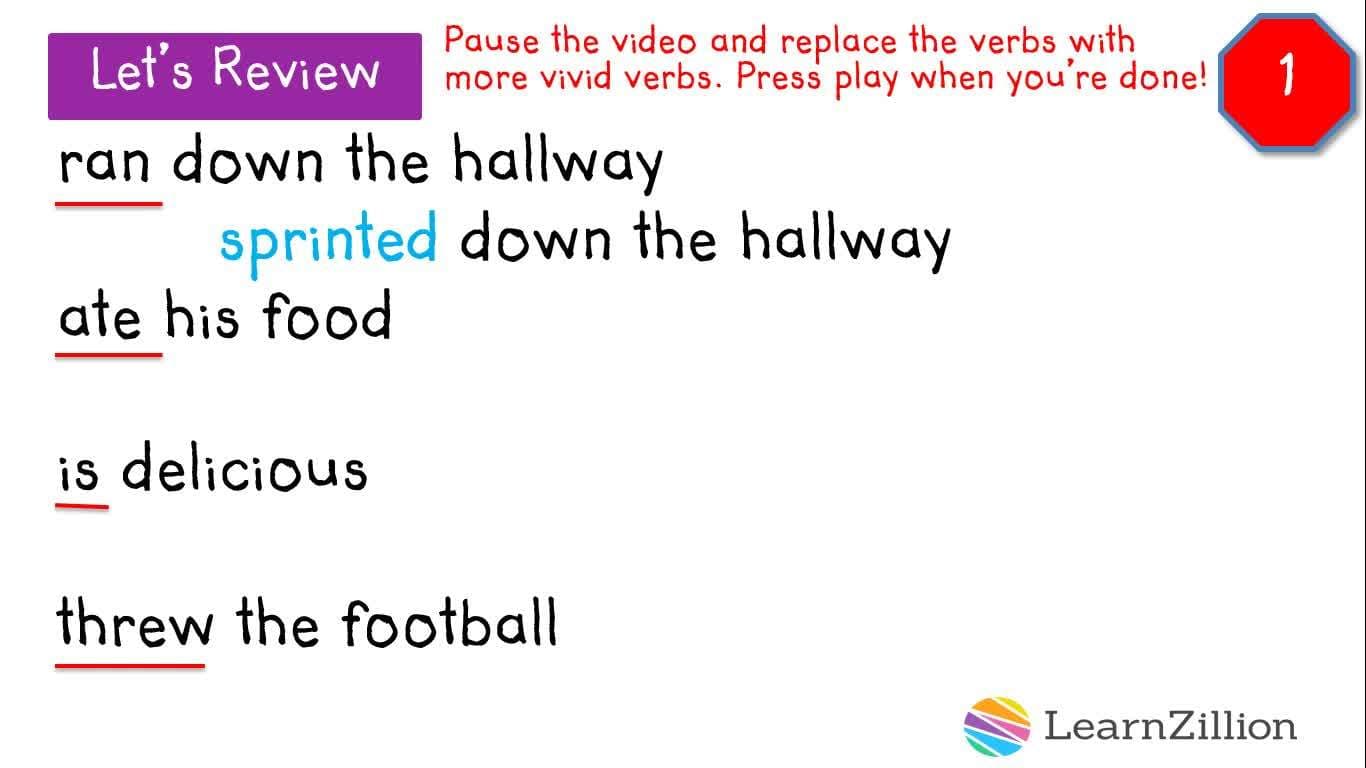
Adding Vivid Verbs to Improve Your Writing
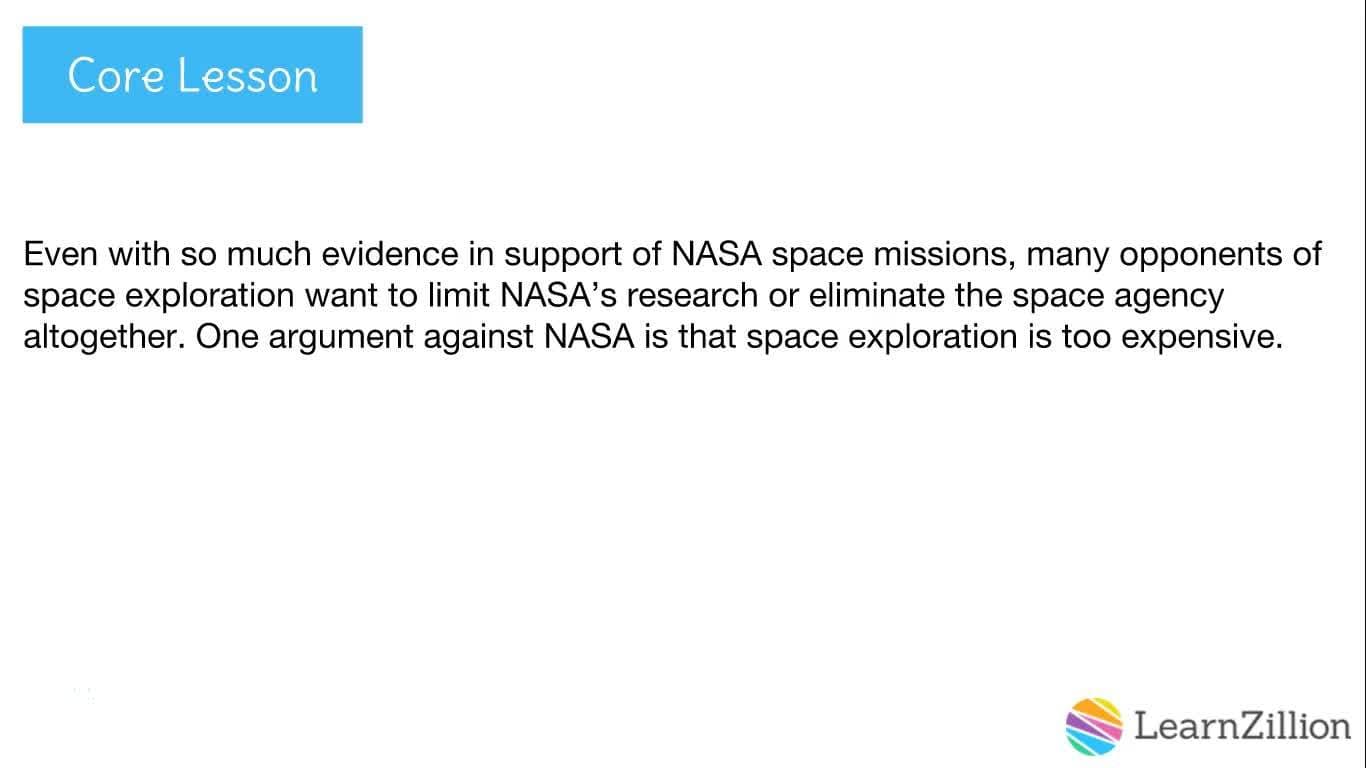
Addressing Counterclaims to Strengthen Your Argument
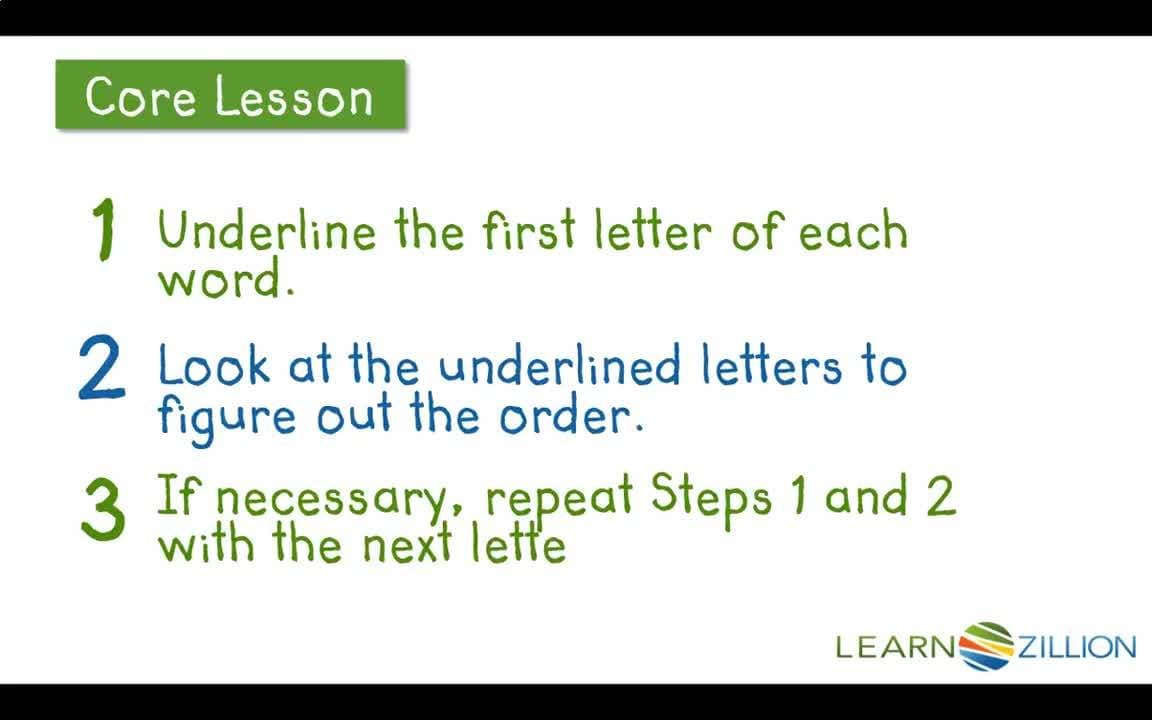
Alphabetizing Words: A Step-by-Step Guide
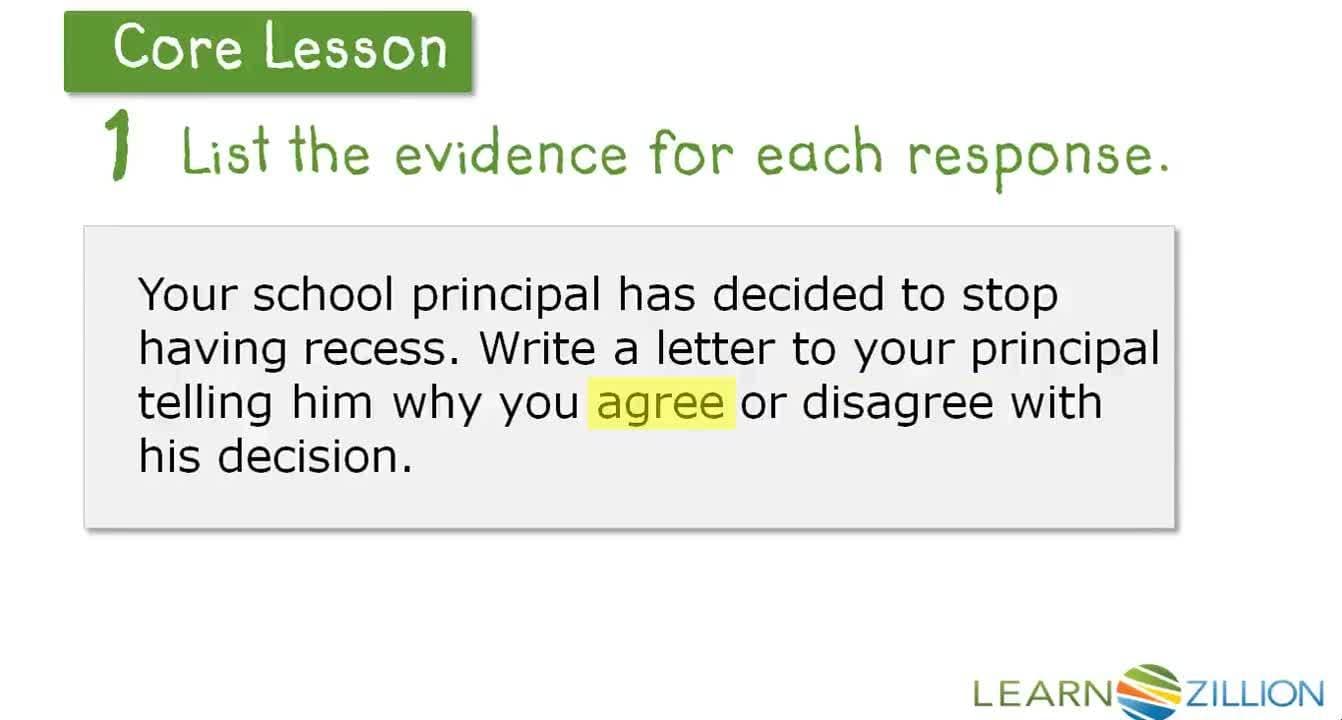
Analyzing Evidence to Take a Position on a Writing Prompt
Analyzing Evidence to Take a Strong Position on a Prompt
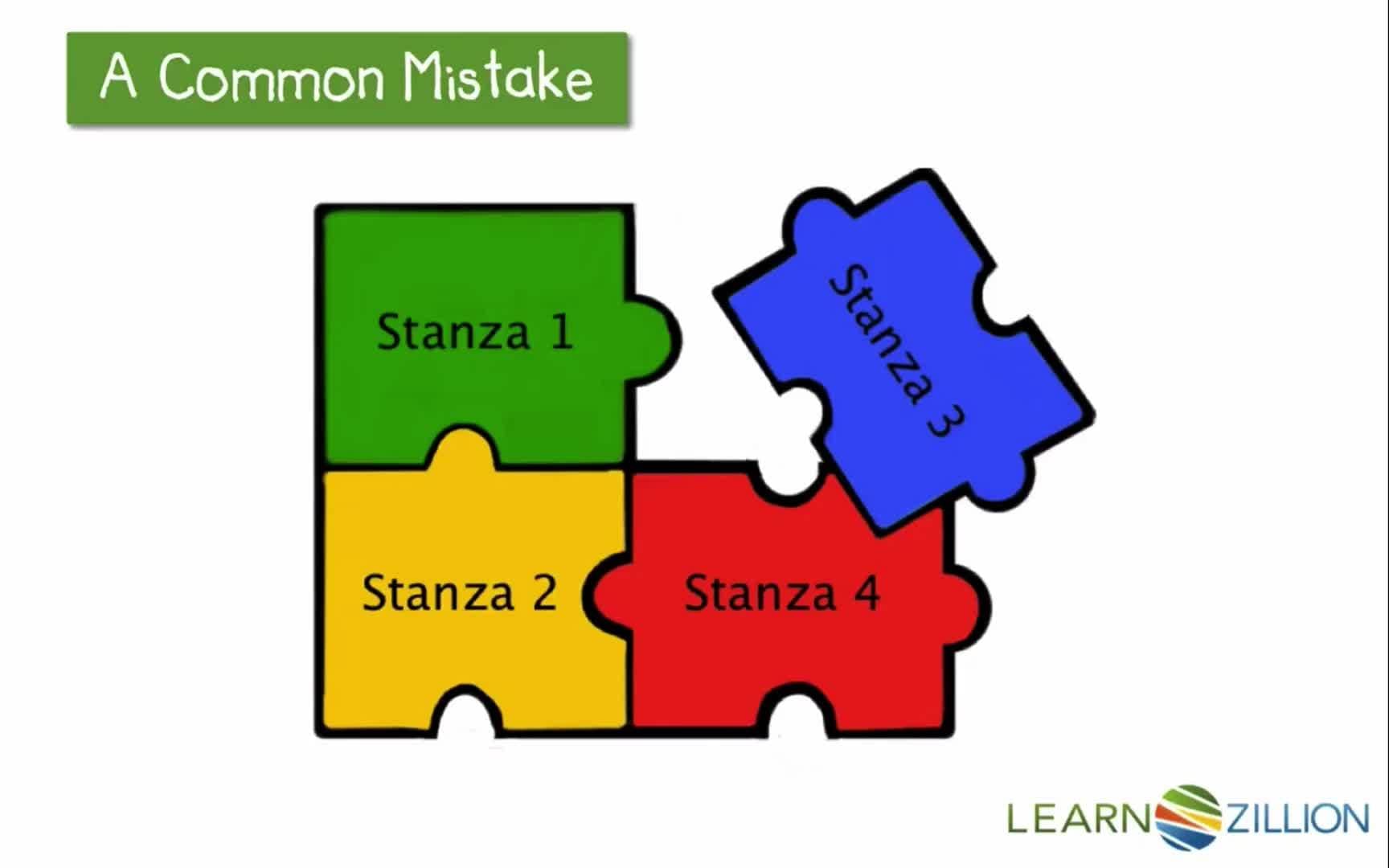
Analyzing Poem Structure: Understanding the Role of Stanzas
Brainstorming Ideas for Writing Prompts: How to Generate Story Ideas

Brainstorming Ideas for a Writing Prompt
Brainstorming Ideas for a Writing Prompt: Focusing on a Topic

Brainstorming Opinion Essay Topics: Finding Your Strong Feelings
Brainstorming Opinion Topics: Finding Your Voice in Writing

Brainstorming Opinion Writing Topics
Brainstorming Persuasive Speech Topics: Finding Your Passion and Strong Feelings

Brainstorming Persuasive Topics: Exploring Life's Obstacles
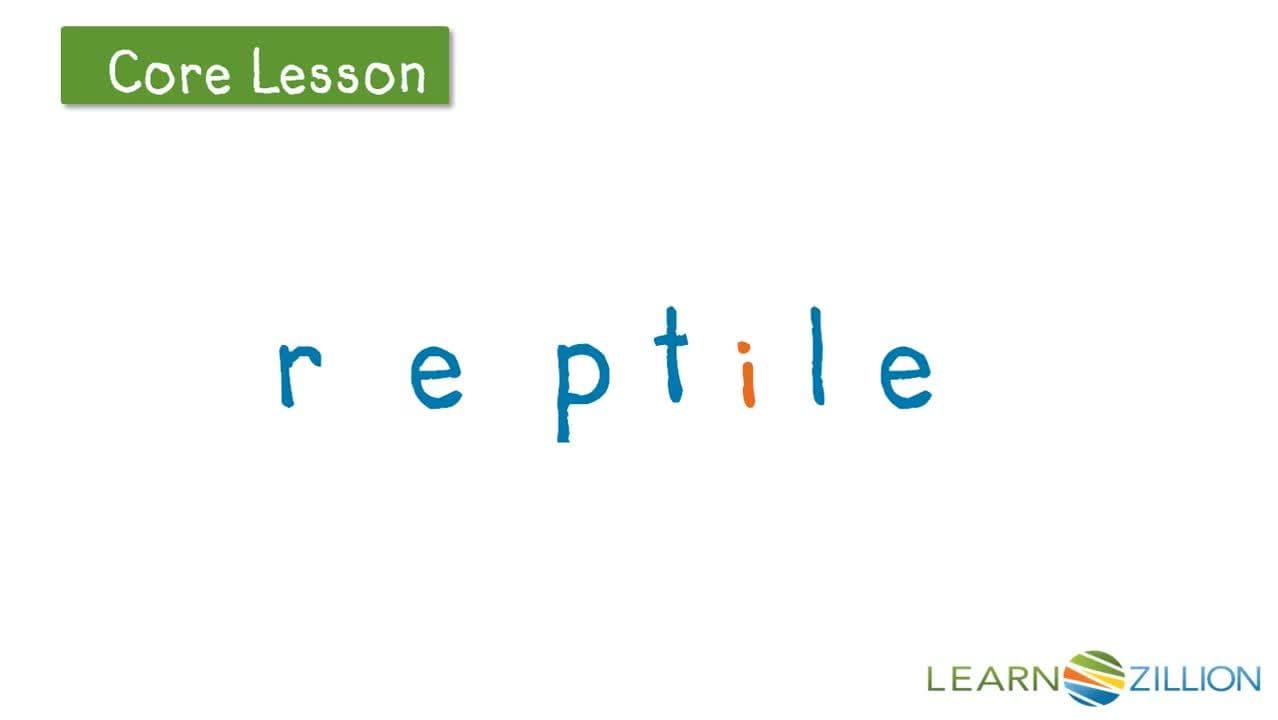
Breaking Down Tricky Words: Using the Bossy E Strategy
Bringing Your Topic to Life: Constructing a Web with Adjectives
Bringing Your Writing to Life: Adding Dialogue
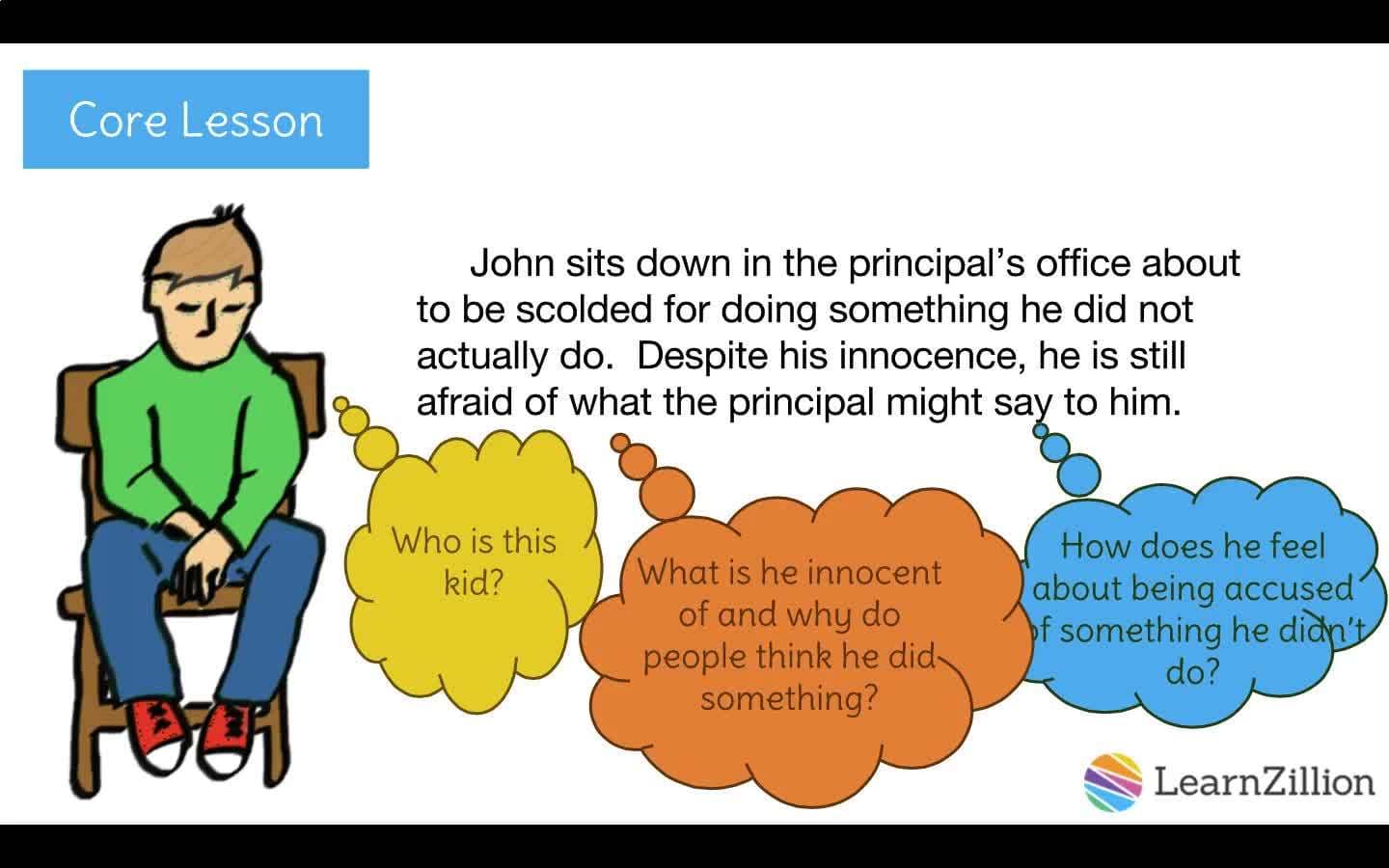
Building Context: Creating Realistic Characters

Building a Draft for an Informational Text

Capitalization Rules: Correcting Mistakes in Writing
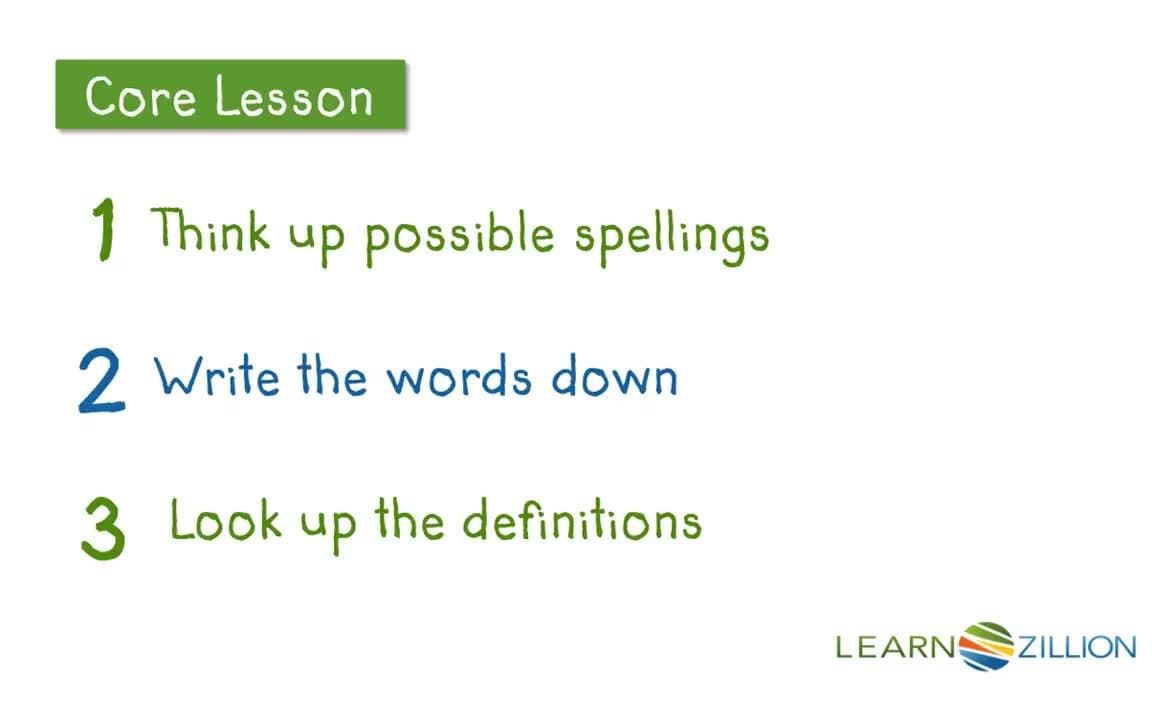
Checking Your Spelling with a Dictionary

Choosing Strong Reasons to Support Your Opinion
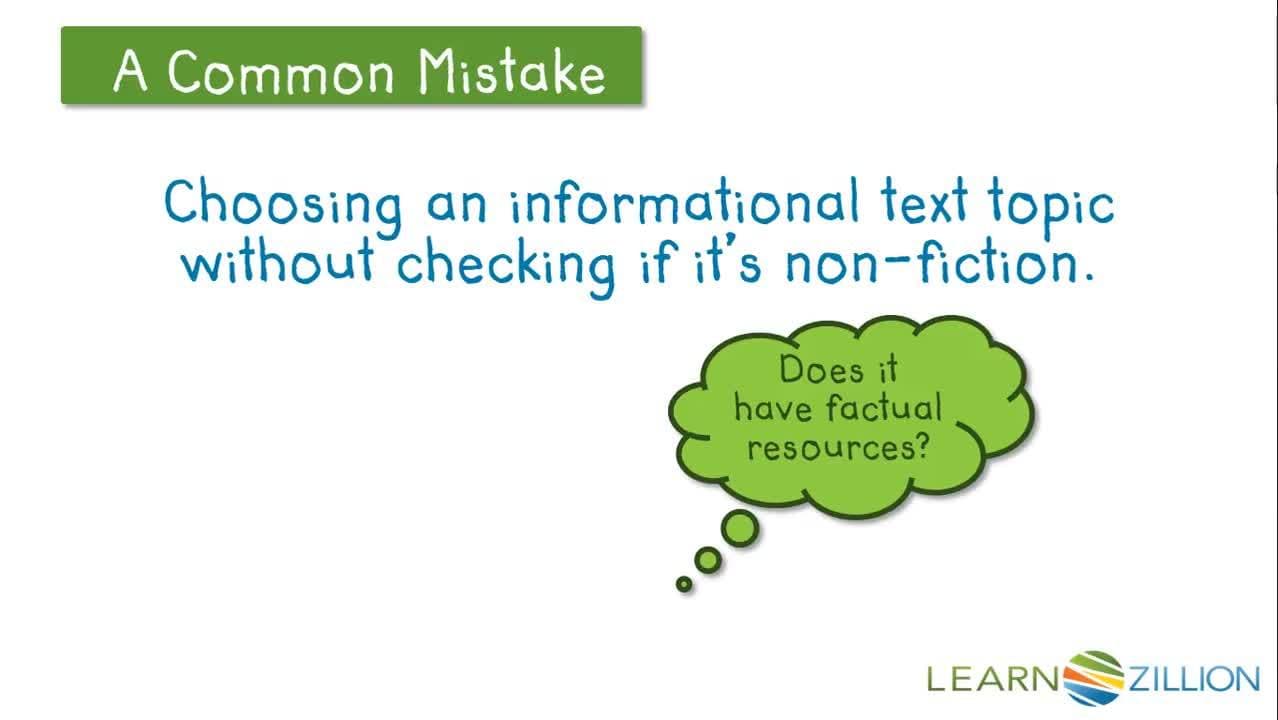
Choosing a Writing Topic for an Informational Text
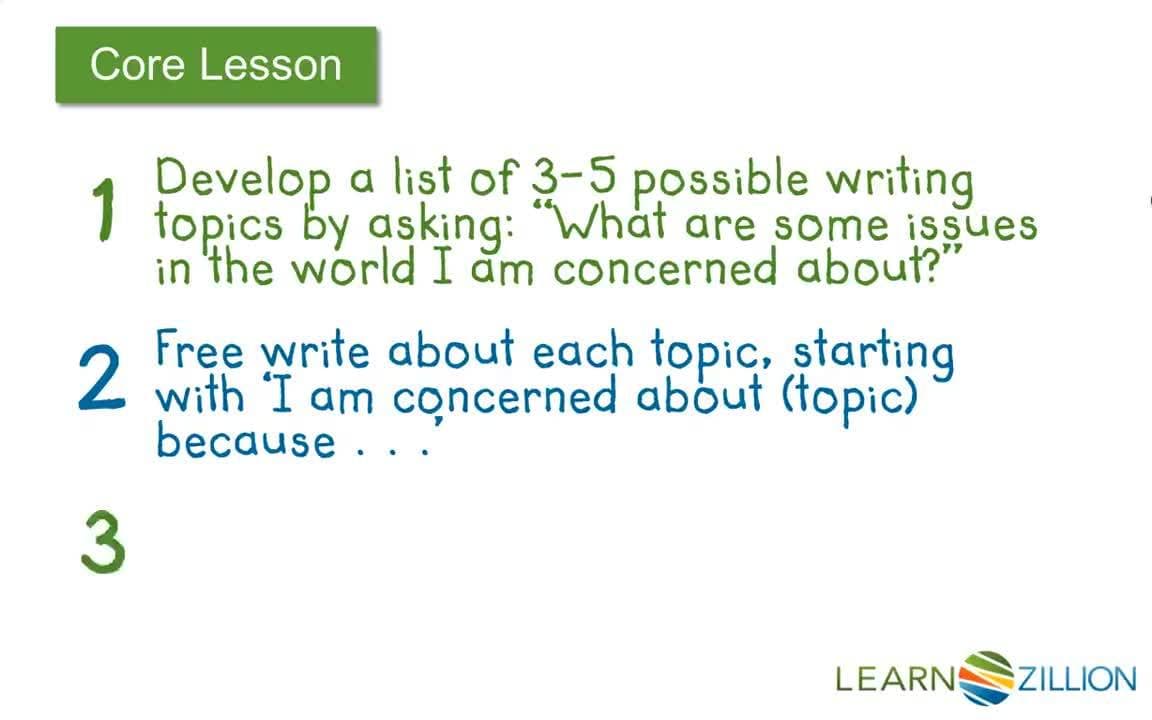
Choosing an Effective Topic for an Argumentative Essay

Choosing the Best Story Idea

Choosing the Best Story Idea: A Step-by-Step Guide

Choosing the Right Tense for Your Writing
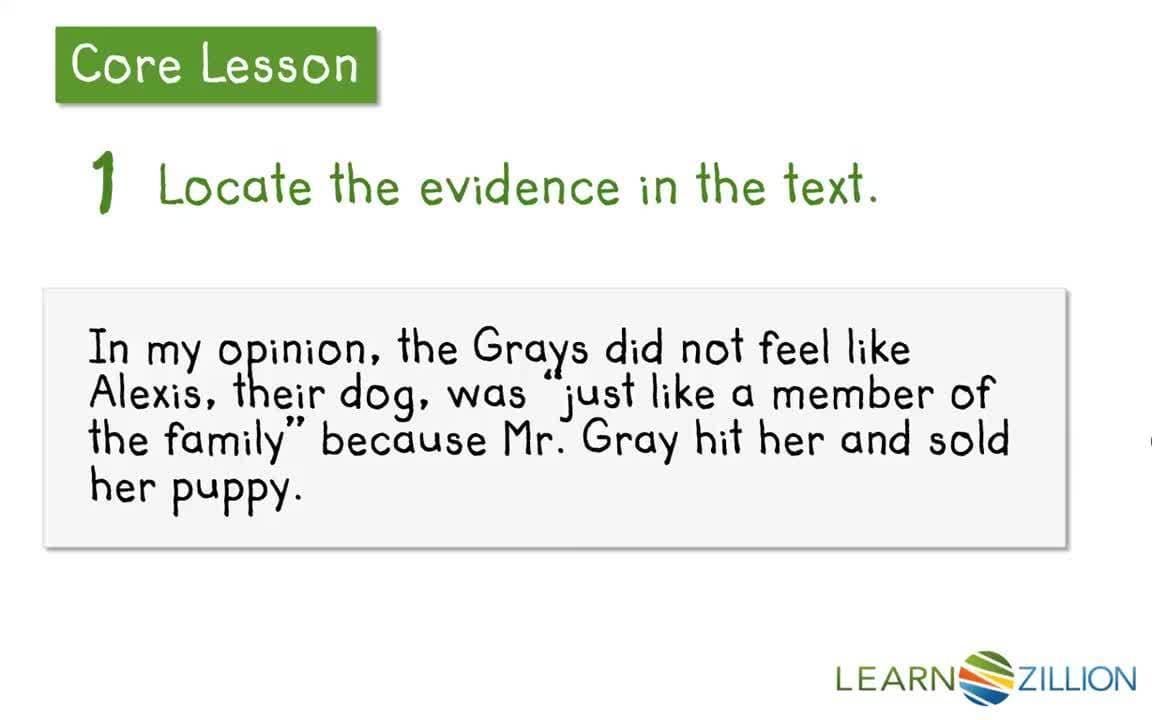
Citing Evidence from the Text

Collecting Evidence to Support Your Argumentative Essay
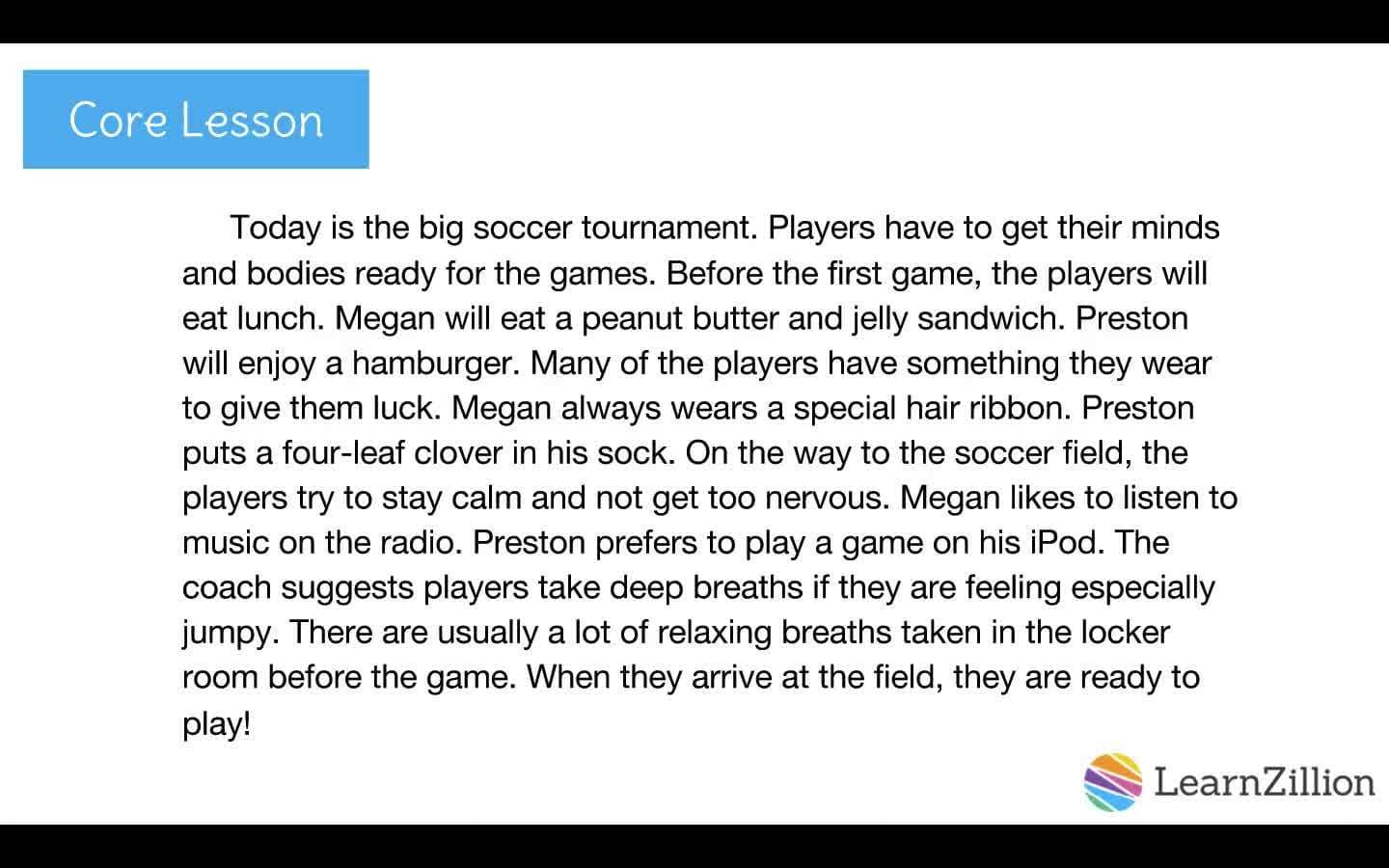
Combining Sentences into Compound Sentences
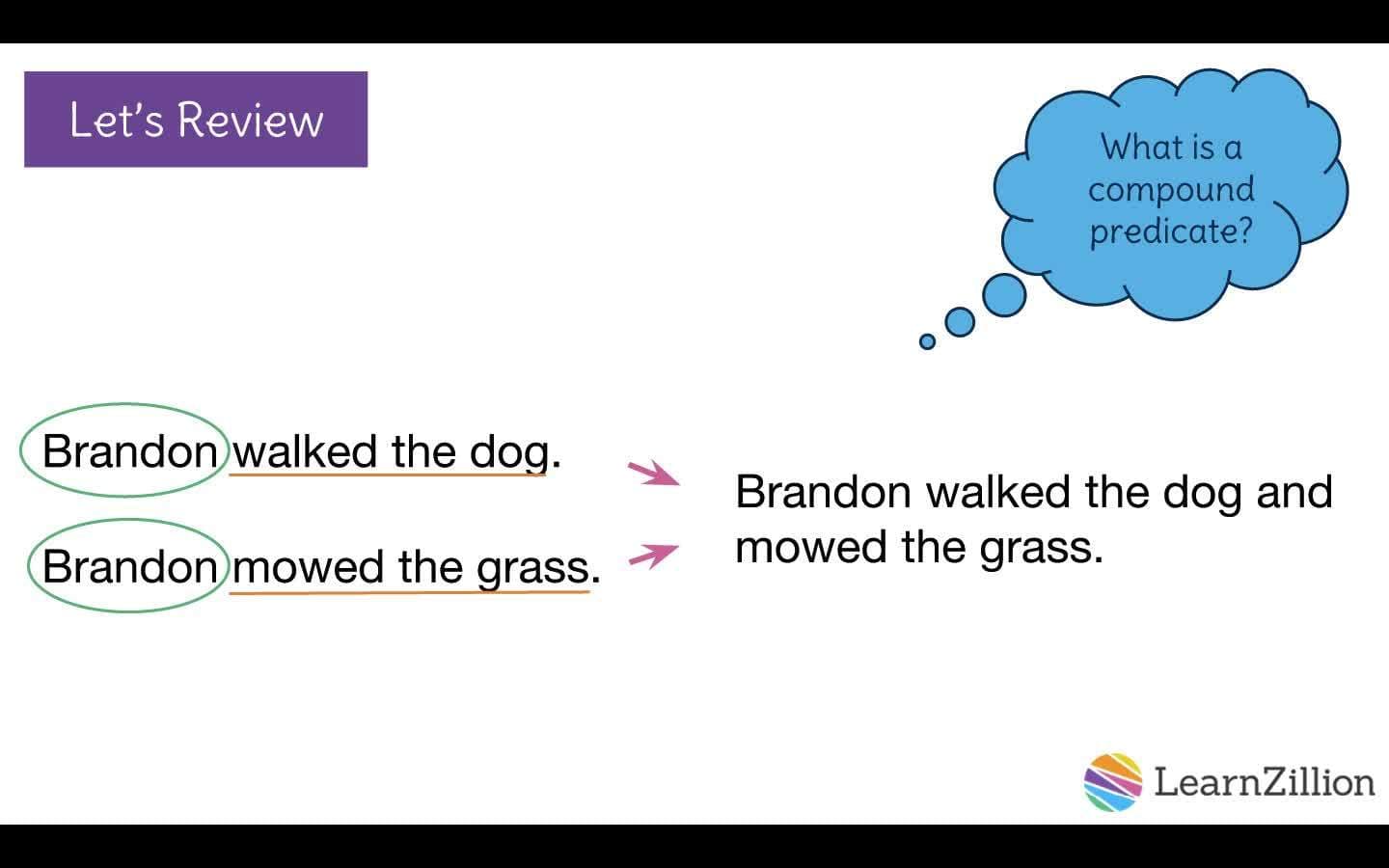
Combining Sentences with Compound Predicates
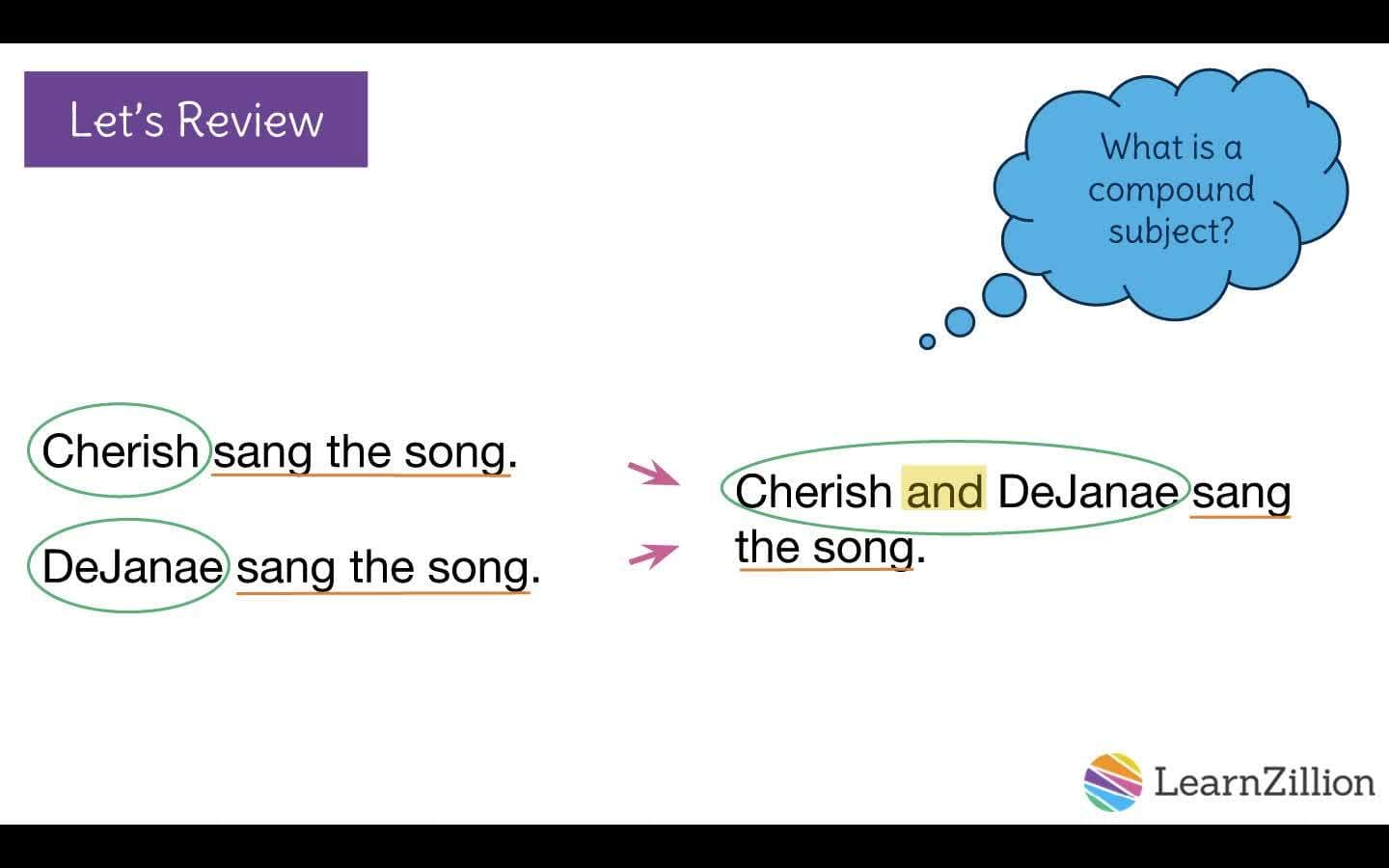
Combining Sentences with Compound Subjects
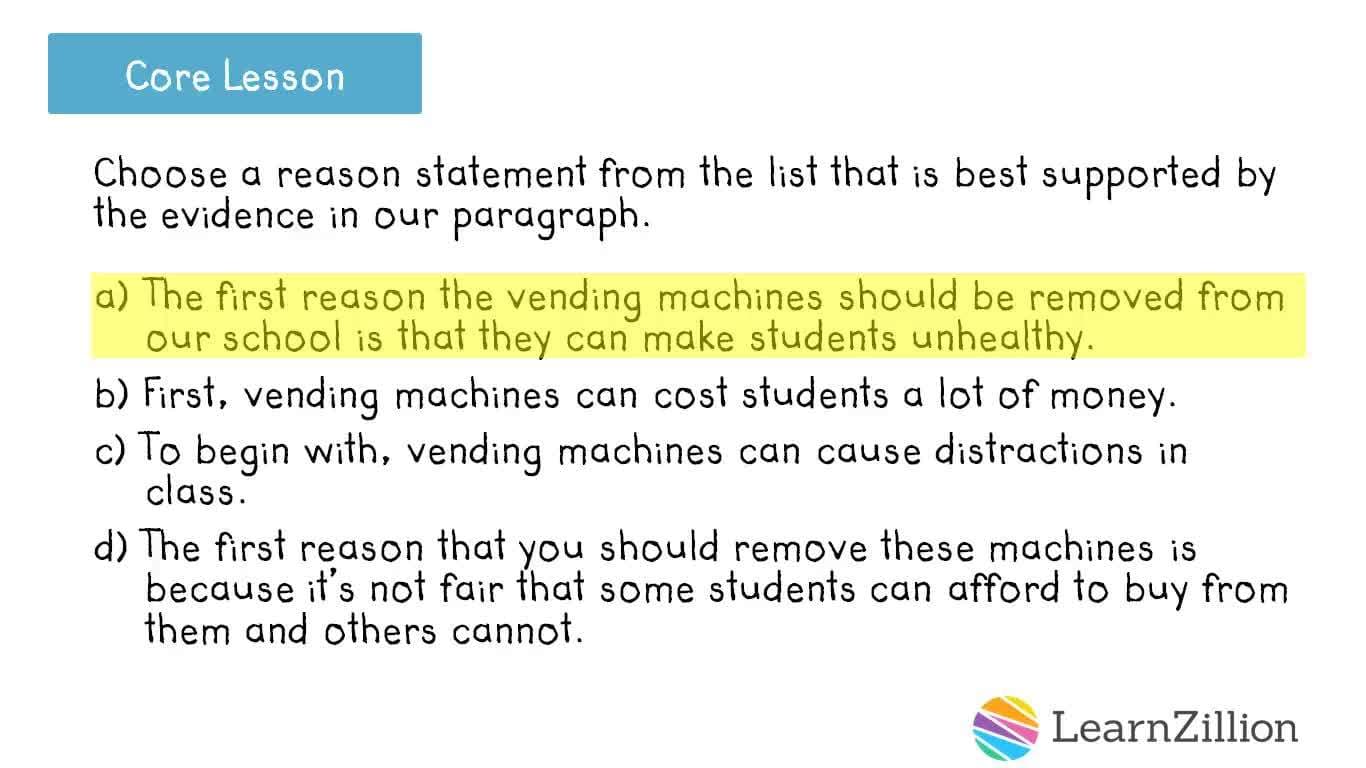
Combining Similar Paragraphs and Adding Reasons

Commas After Introductory Phrases: Improving Clarity in Writing
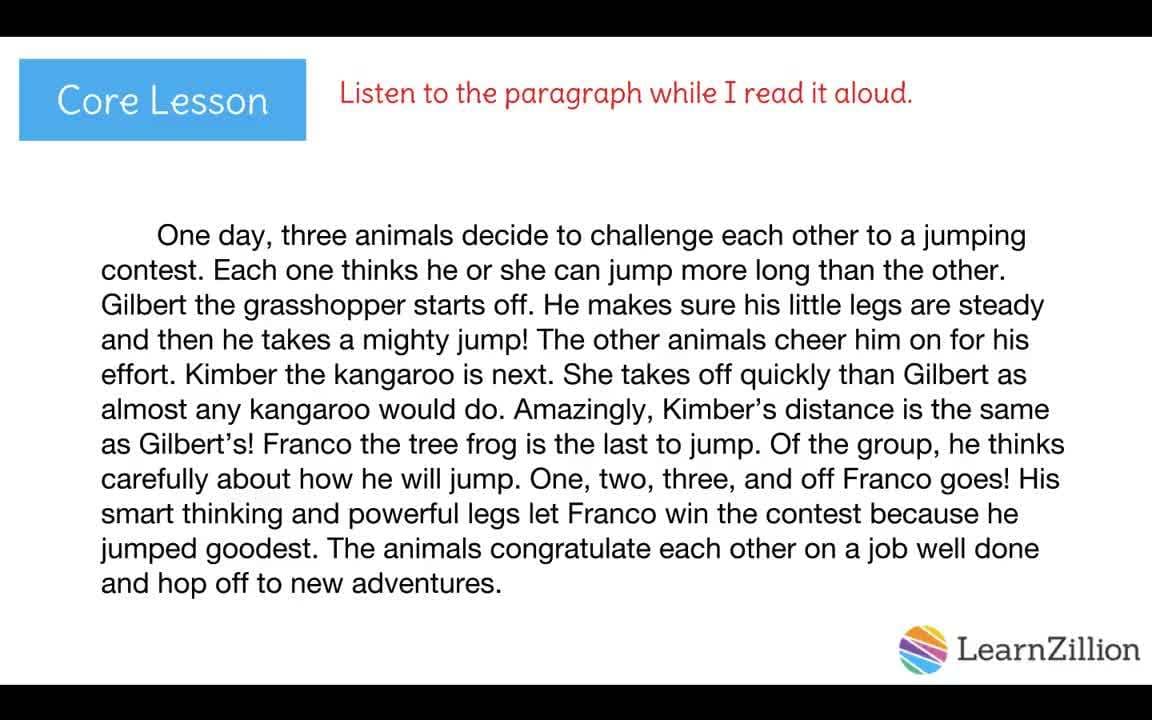
Comparative and Superlative Adverbs: Making Stronger Comparisons in Writing

Comparing Two Elements: Skimming for Matching Information
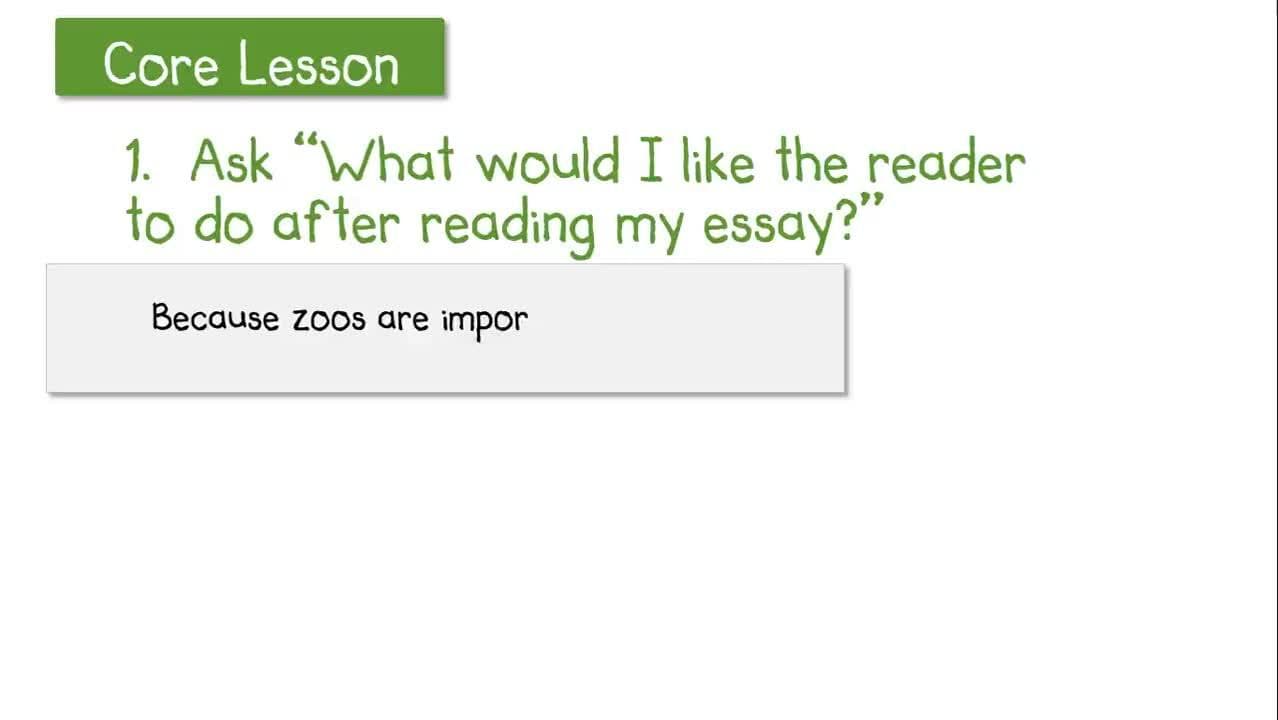
Concluding Your Persuasive Essay: Summarizing Key Points and Encouraging Action
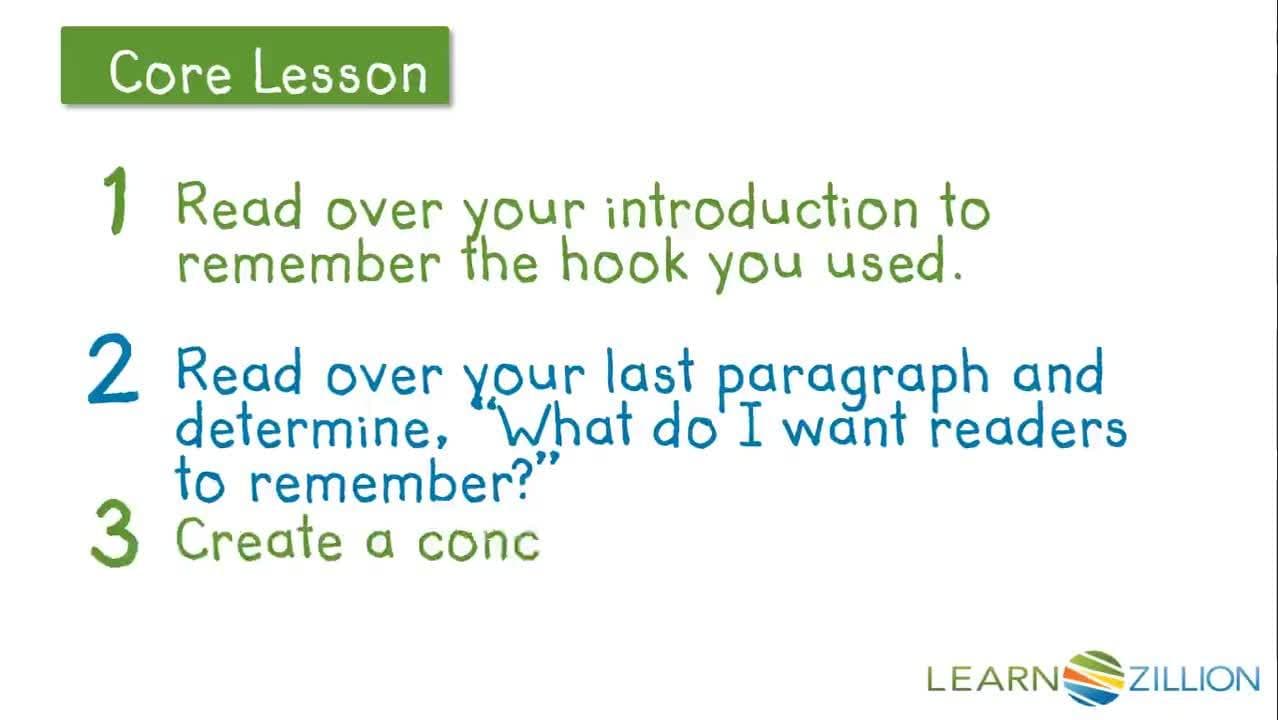
Concluding an Informational Text: Creating Memorable Endings

Connecting Evidence and Reasons to Prove Your Claim
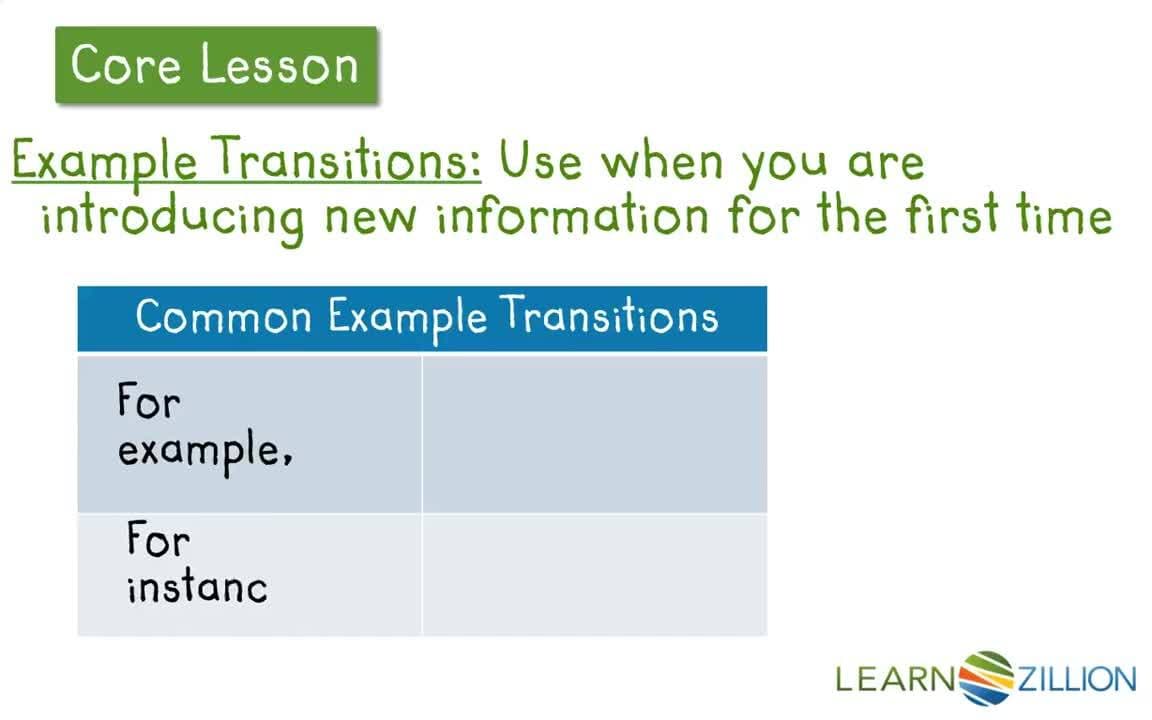
Connecting Ideas in Persuasive Writing: Using Transitions

Connecting Ideas in Writing with Transition Words and Phrases
Connecting Ideas in Writing: Using Transition Words
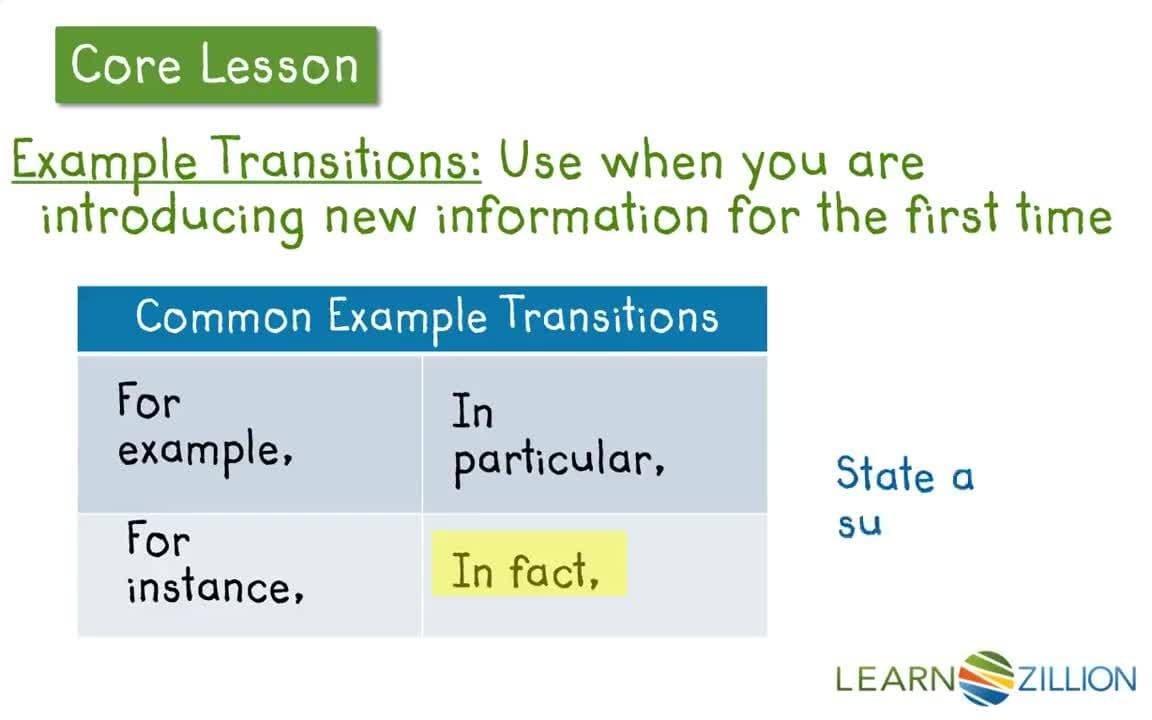
Connecting Ideas in Writing: Using Transitions for Coherence and Persuasion

Connecting Ideas: Using Transition Words in Your Writing
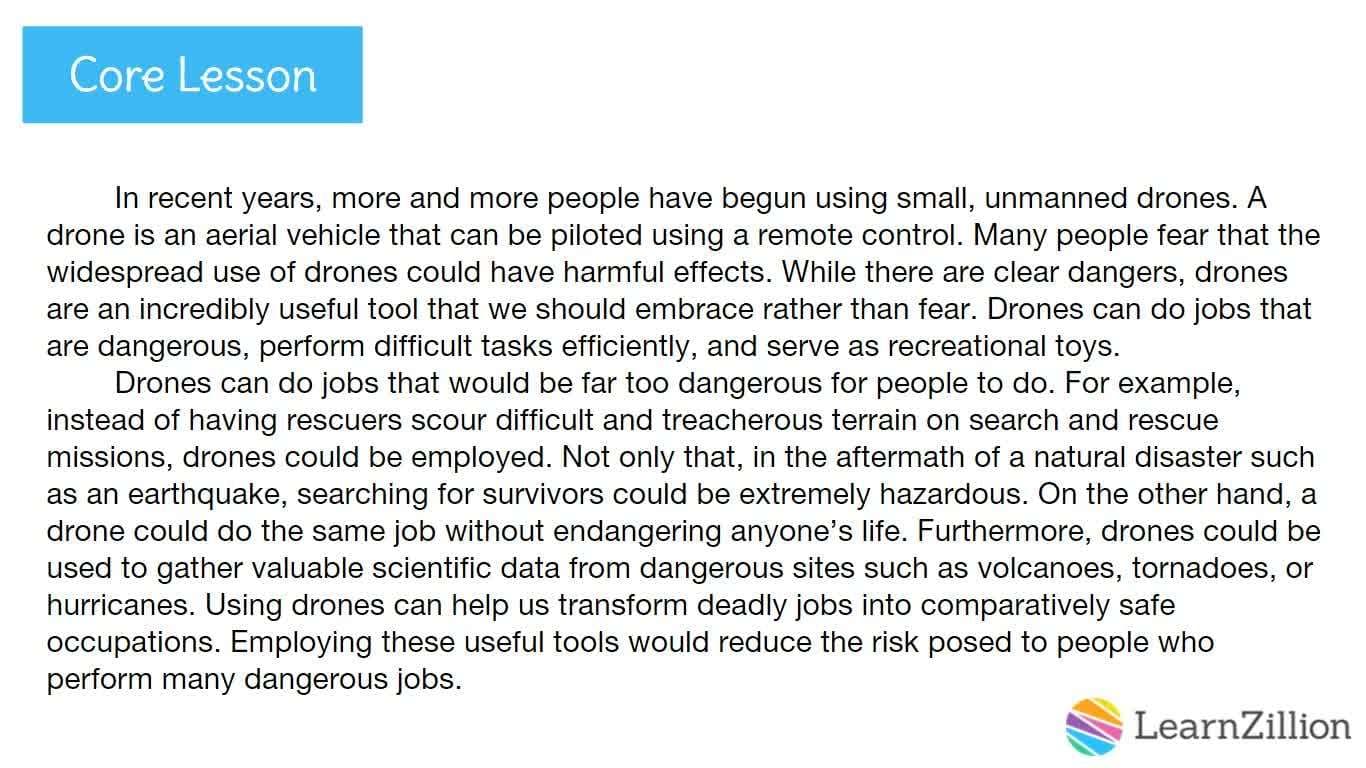
Connecting Reasons to Claims in Argumentative Writing
Connecting the Parts of Your Persuasive Speech with Transition Words

Consistency in Verb Tense: A Writing Lesson
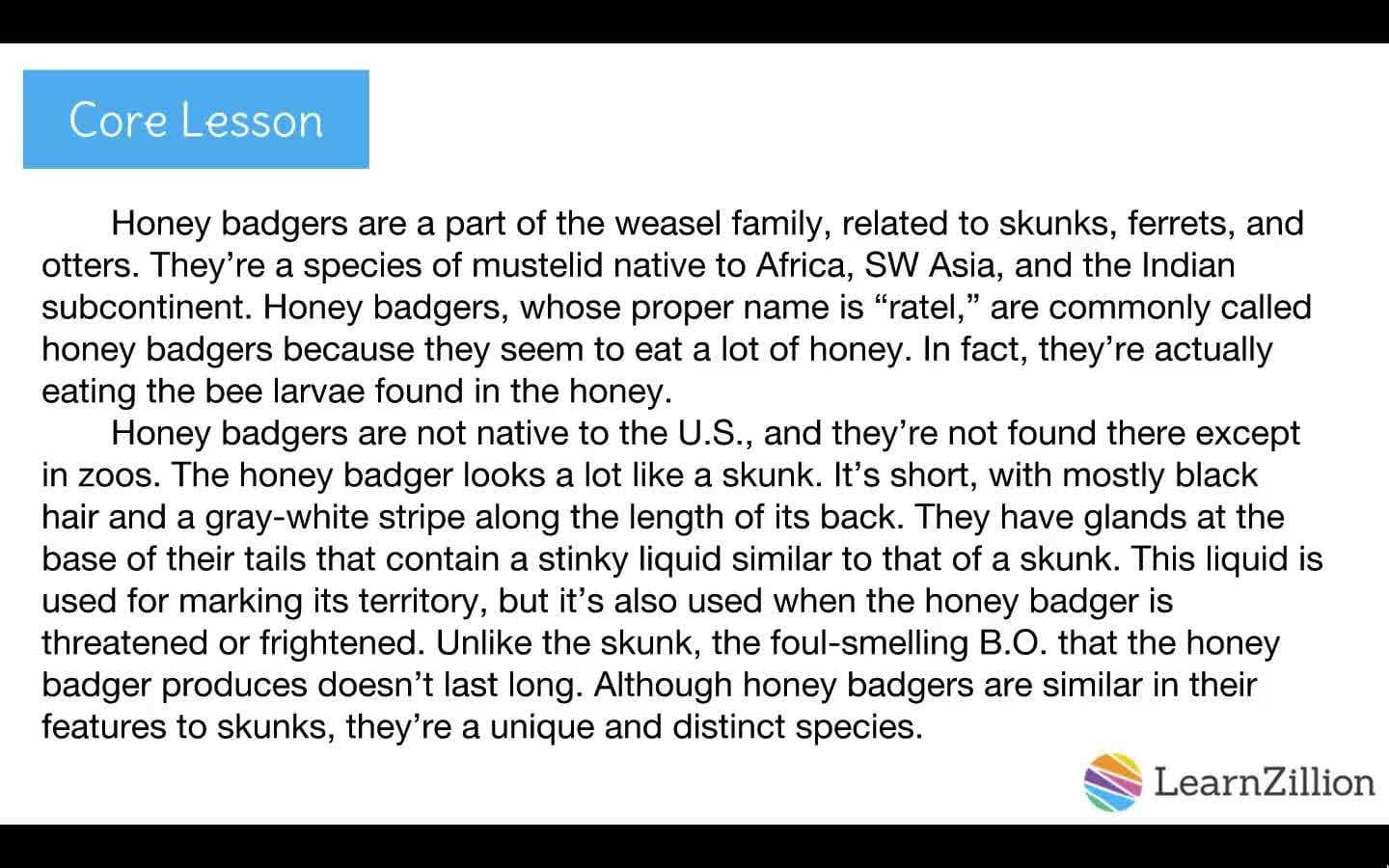
Converting Informal Language to Formal Language
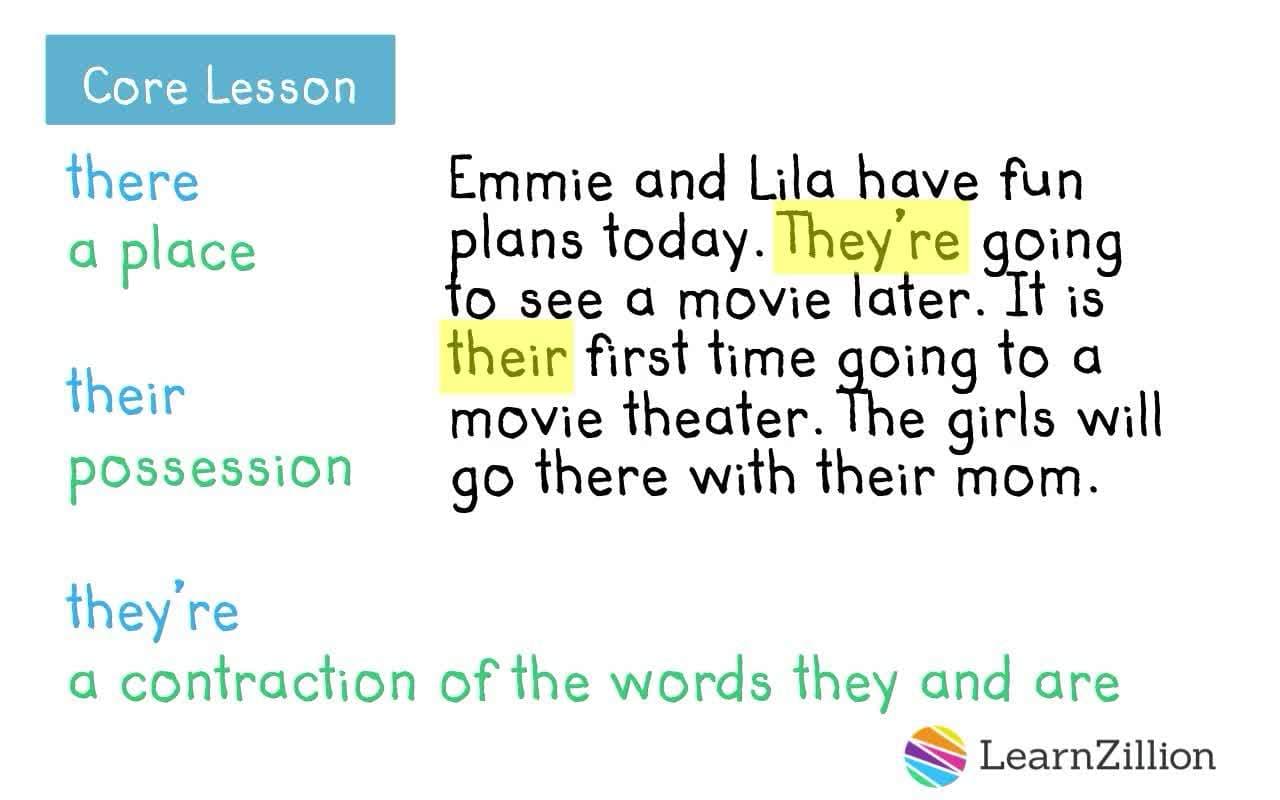
Correct Usage of Frequently Confused Words: There, Their, and They're
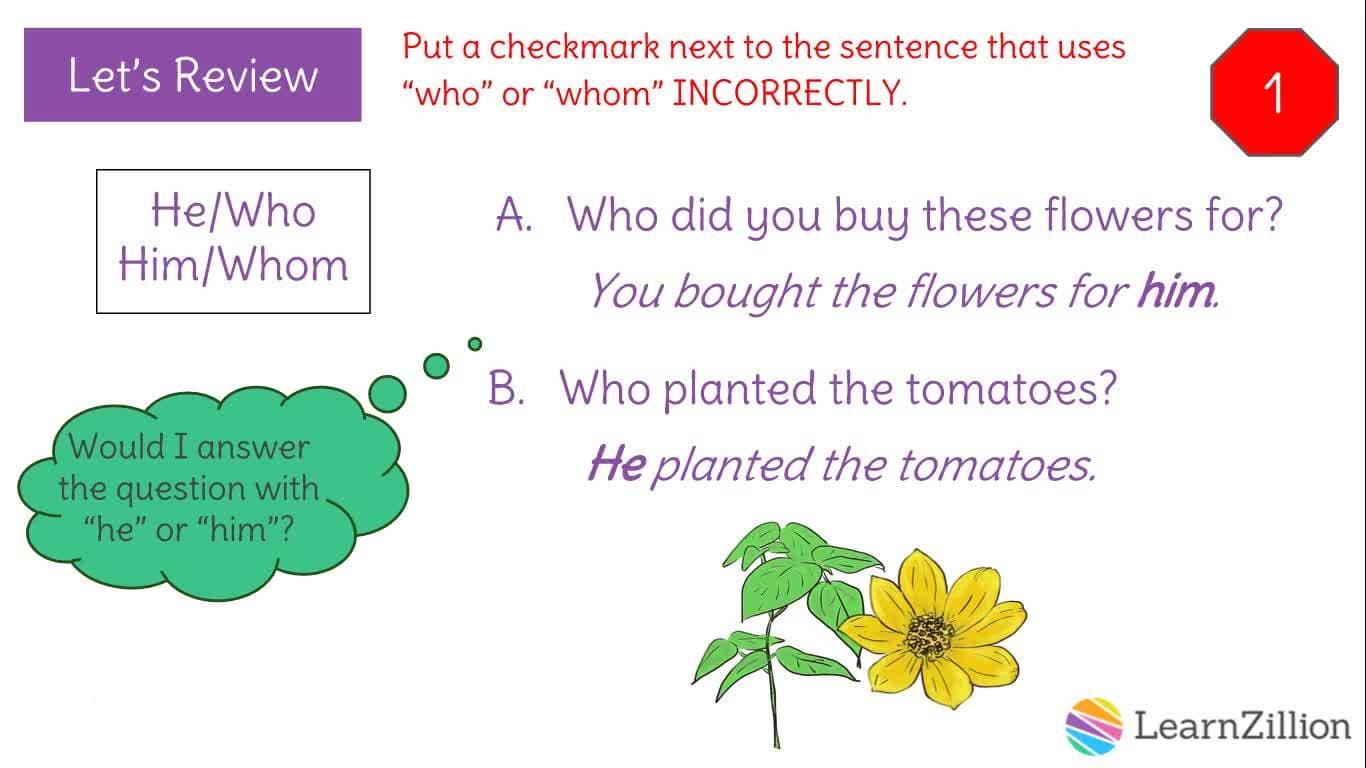
Correct Usage of Who and Whom in Questions

Counting Vowel Sounds to Recognize Syllables
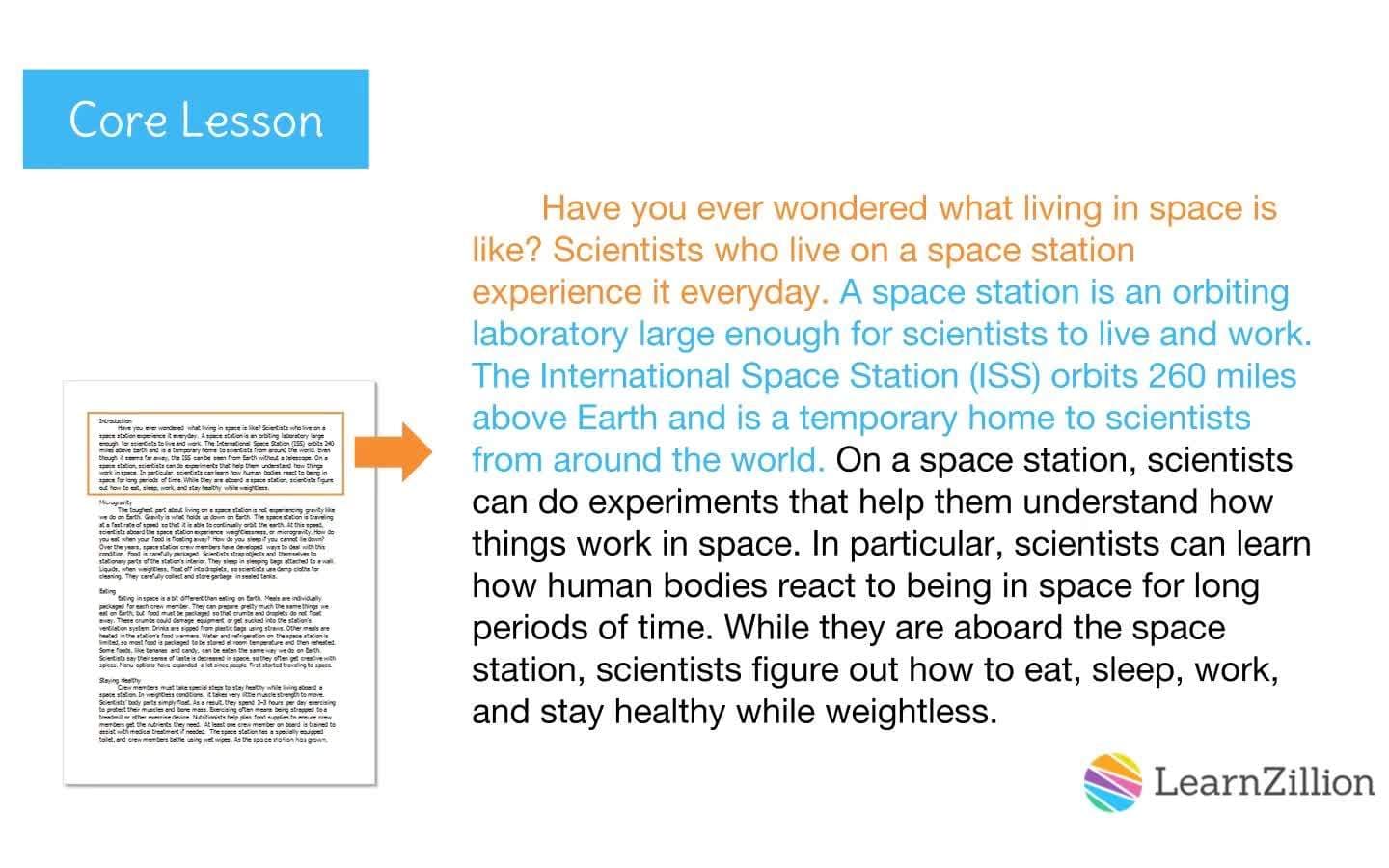
Crafting Clear Topic Sentences

Crafting Effective Opinion Statements
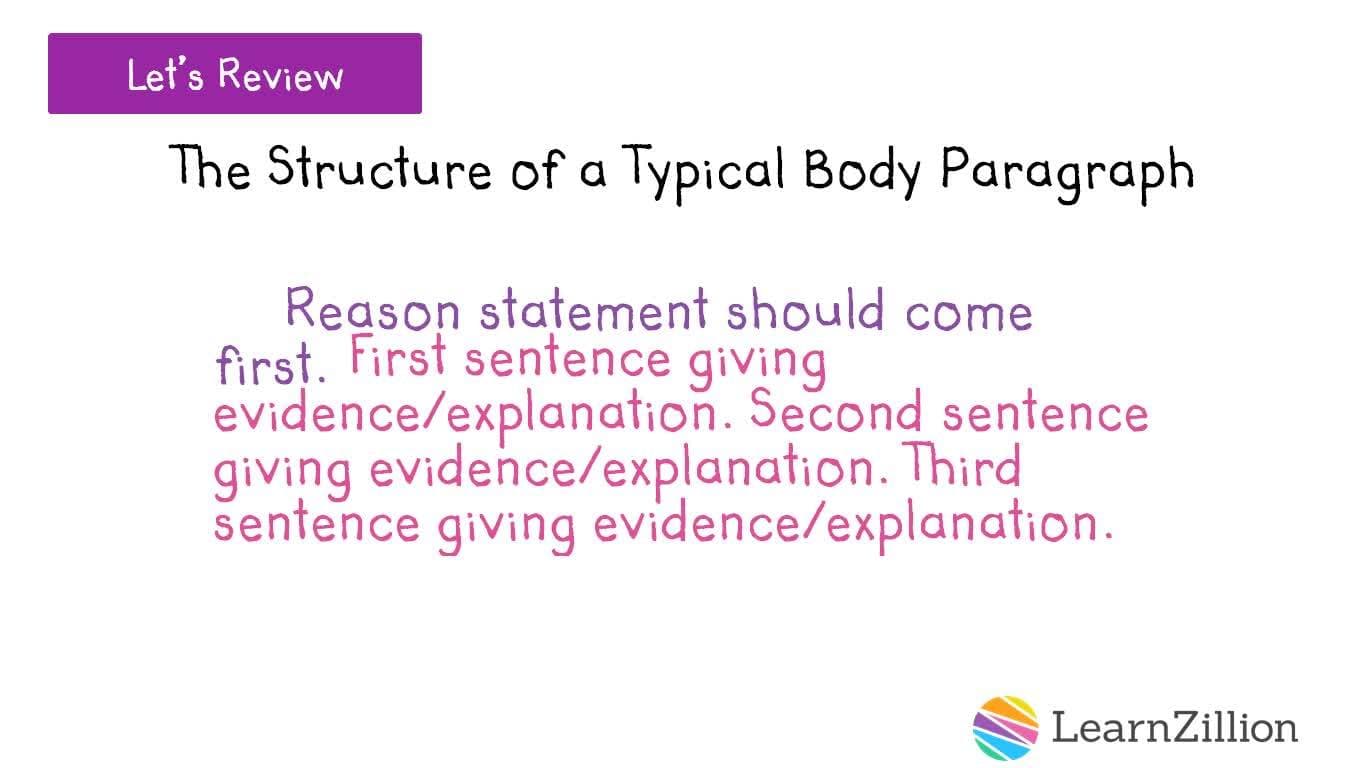
Crafting Reason Statements and Providing Evidence in Argumentative Writing
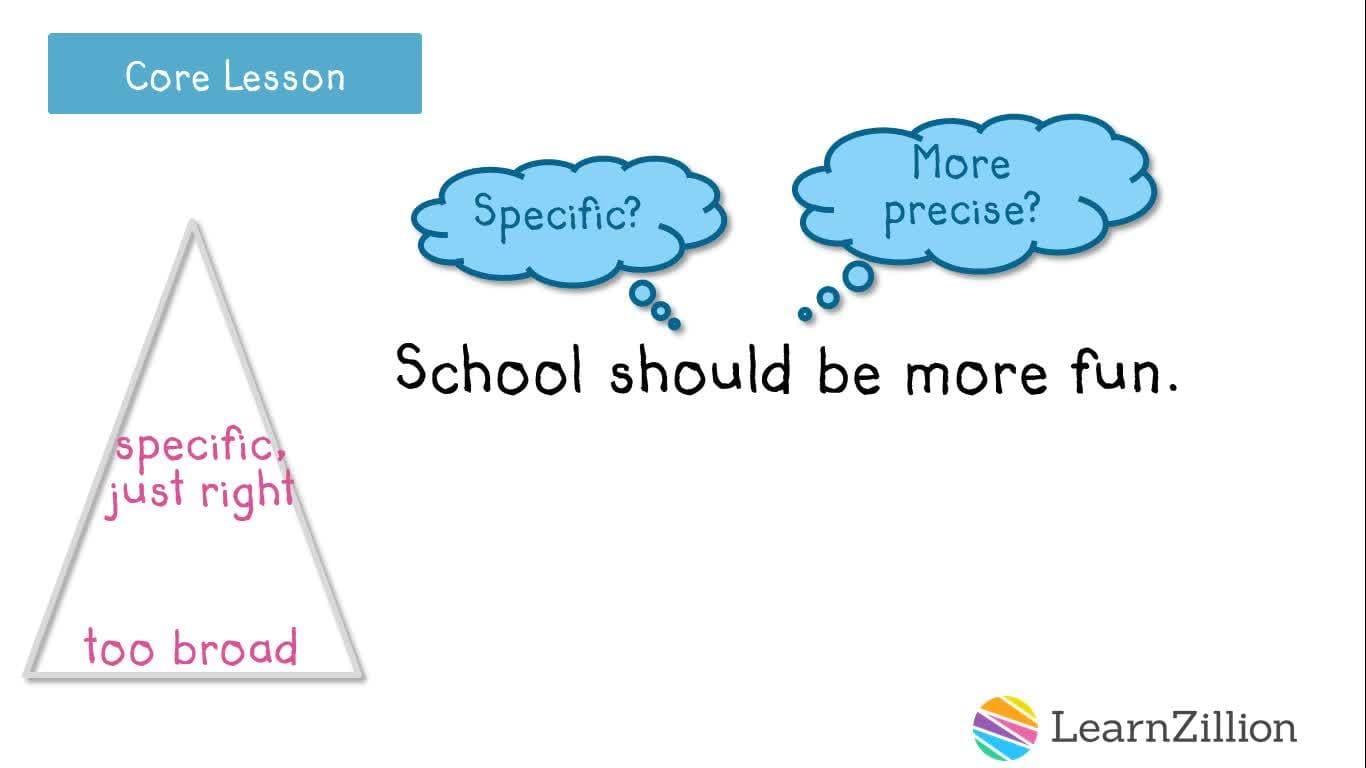
Crafting Specific Opinions: Avoiding Broad Statements
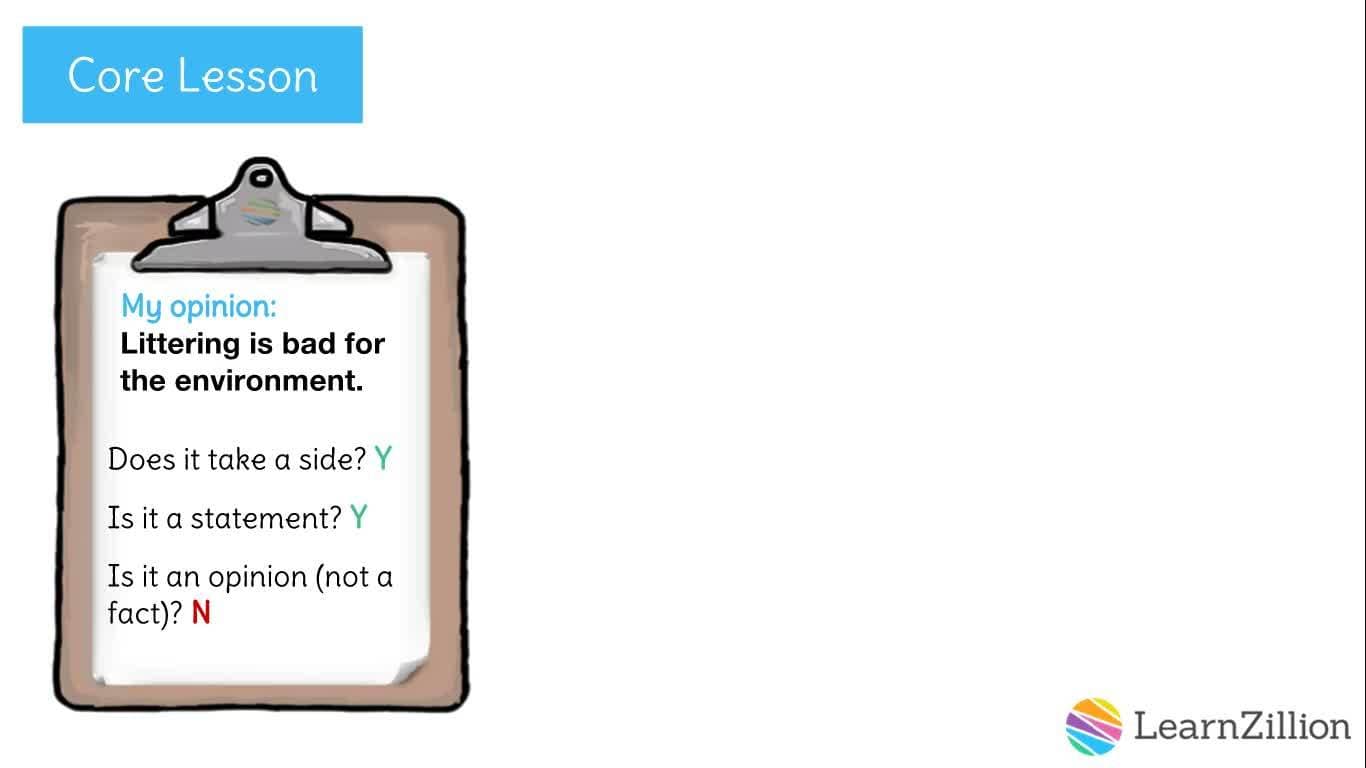
Crafting Strong and Debatable Opinion Statements
Crafting Thoughtful Endings for Narrative Writing
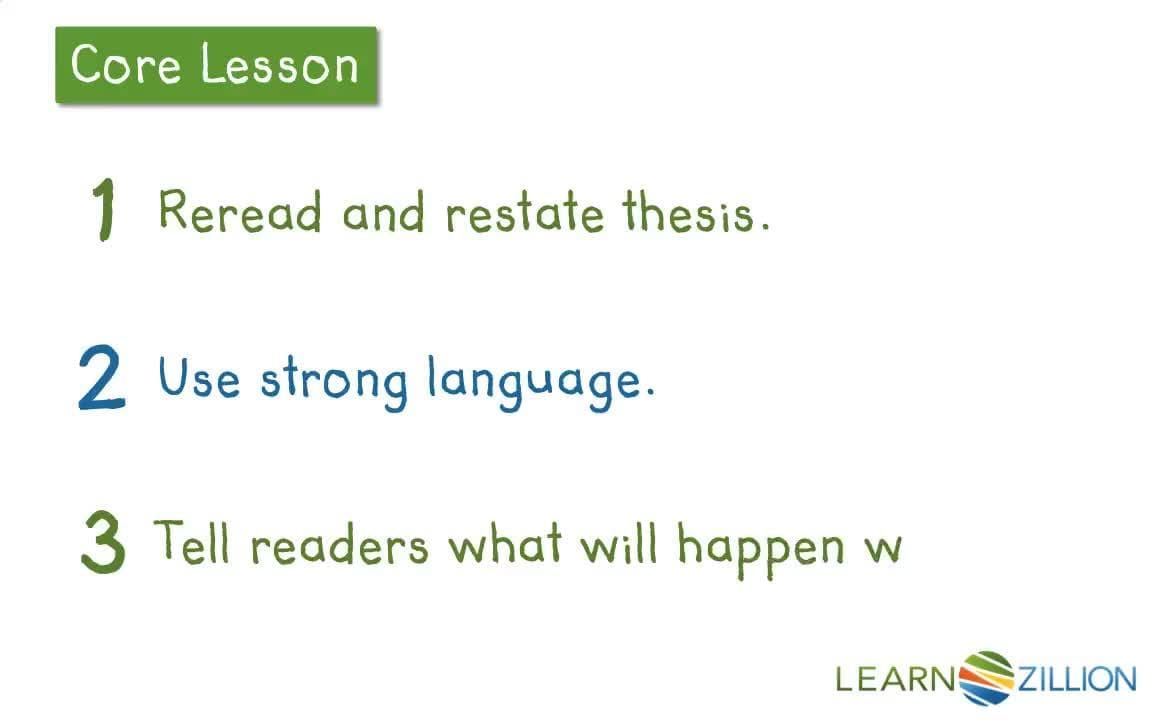
Crafting a Memorable Closing Paragraph with a Plea for Action
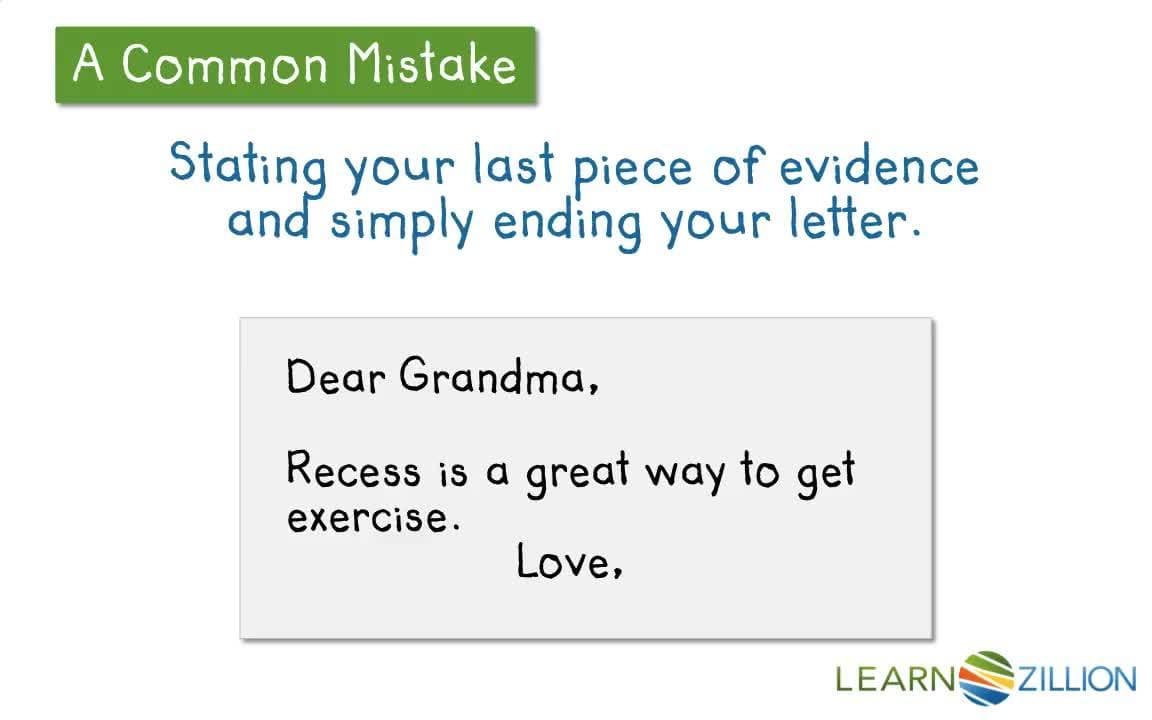
Crafting a Memorable Closing: Telling a Story to Support Your Opinion

Crafting a Powerful Conclusion: Restating Your Thesis and Encouraging Action

Crafting a Strong Conclusion in an Argument

Crafting a Strong Opening Paragraph: Making a Brave Statement
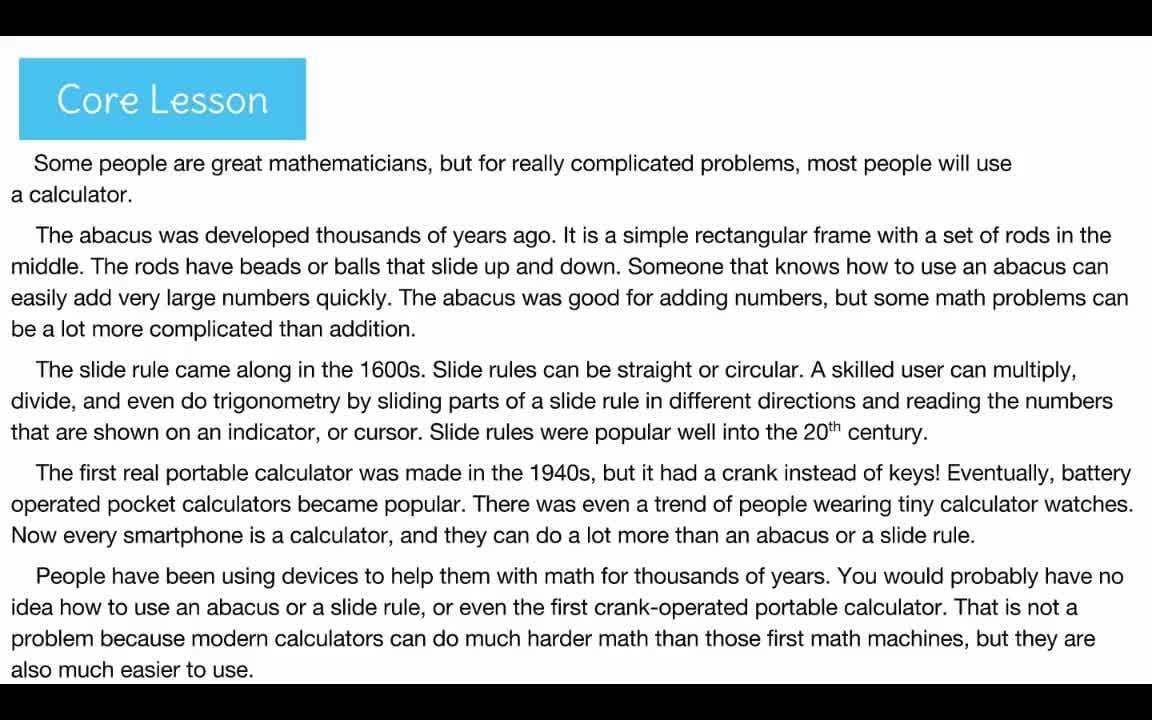
Crafting an Effective Introduction for Your Writing
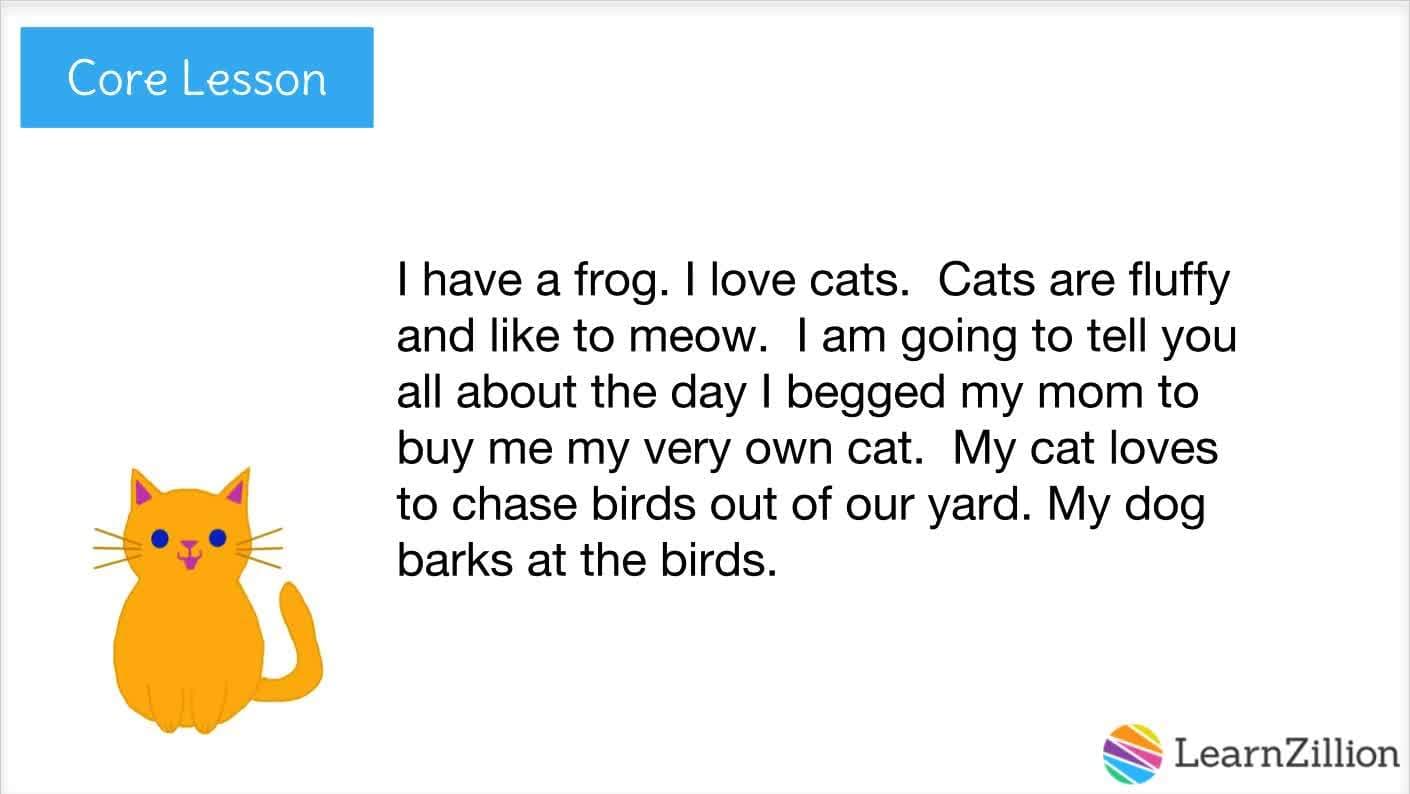
Creating Clear Introductions: Identifying and Supporting the Topic Sentence
Creating Flow in Your Paragraphs: Using Transition Phrases to Connect Ideas
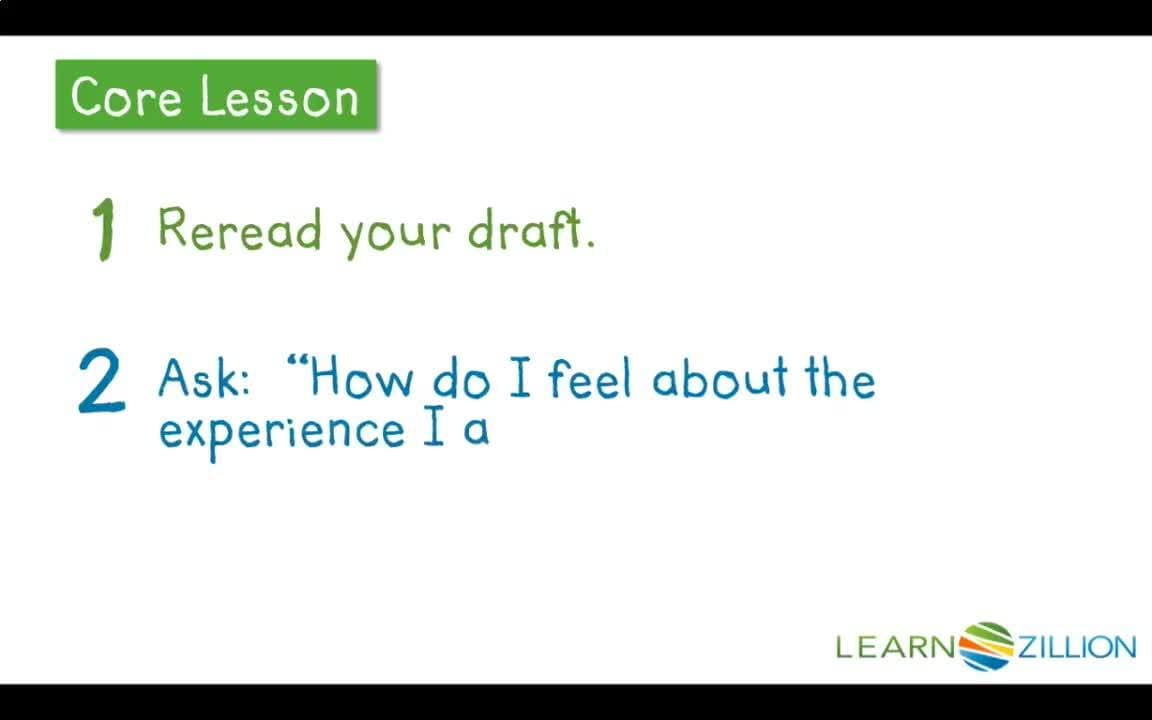
Creating Strong Endings: How to Leave the Audience with Strong Feelings
Creating Strong Endings: Showcasing Your Feelings in Writing

Creating Vivid Images: Using Concrete Details in Writing
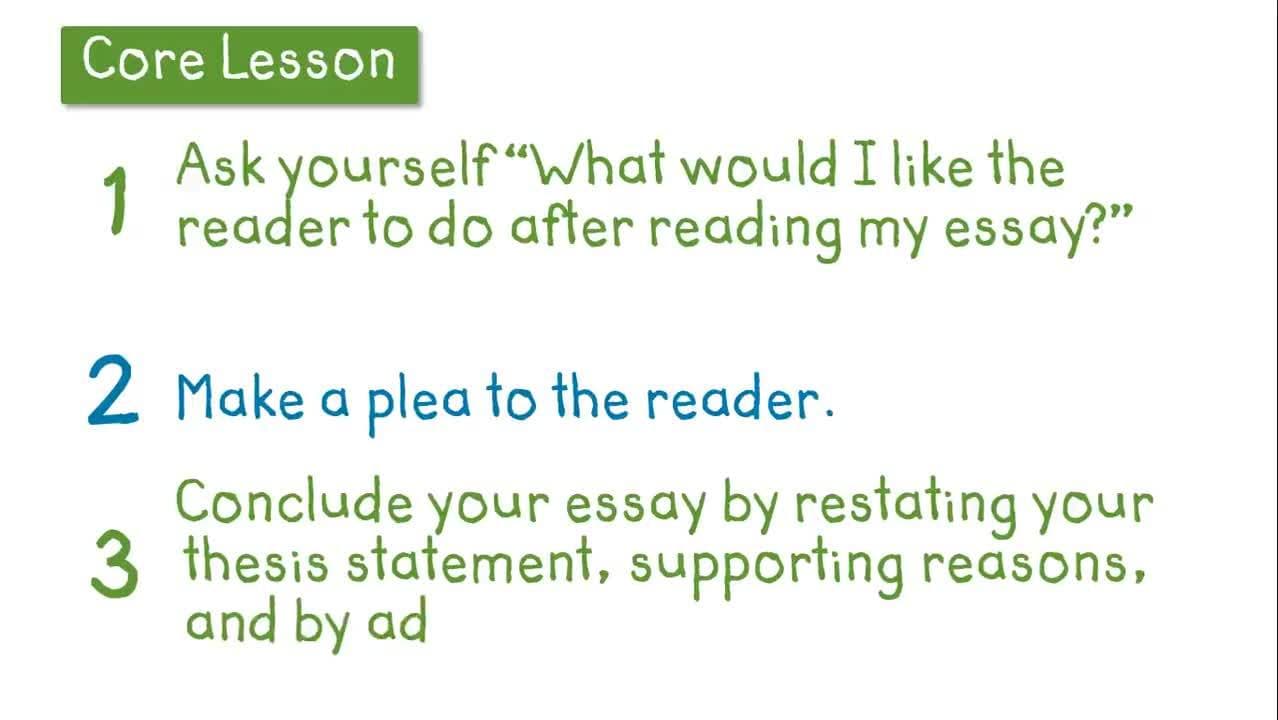
Creating a Memorable Conclusion for Your Persuasive Essay
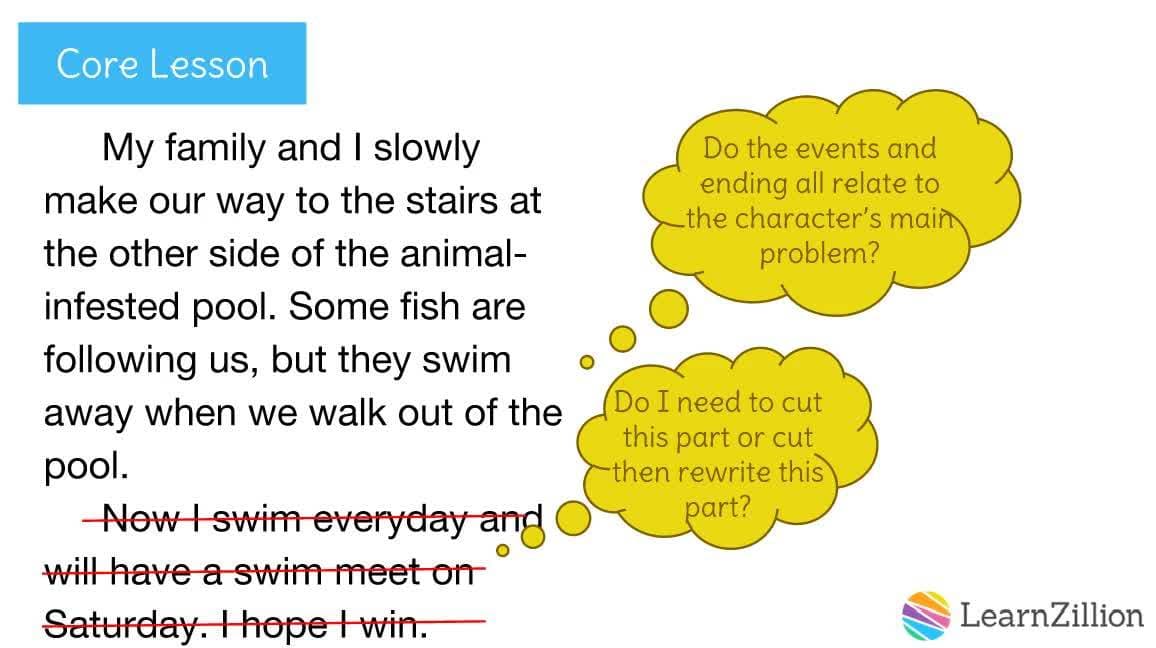
Creating a Satisfying Conclusion in Writing
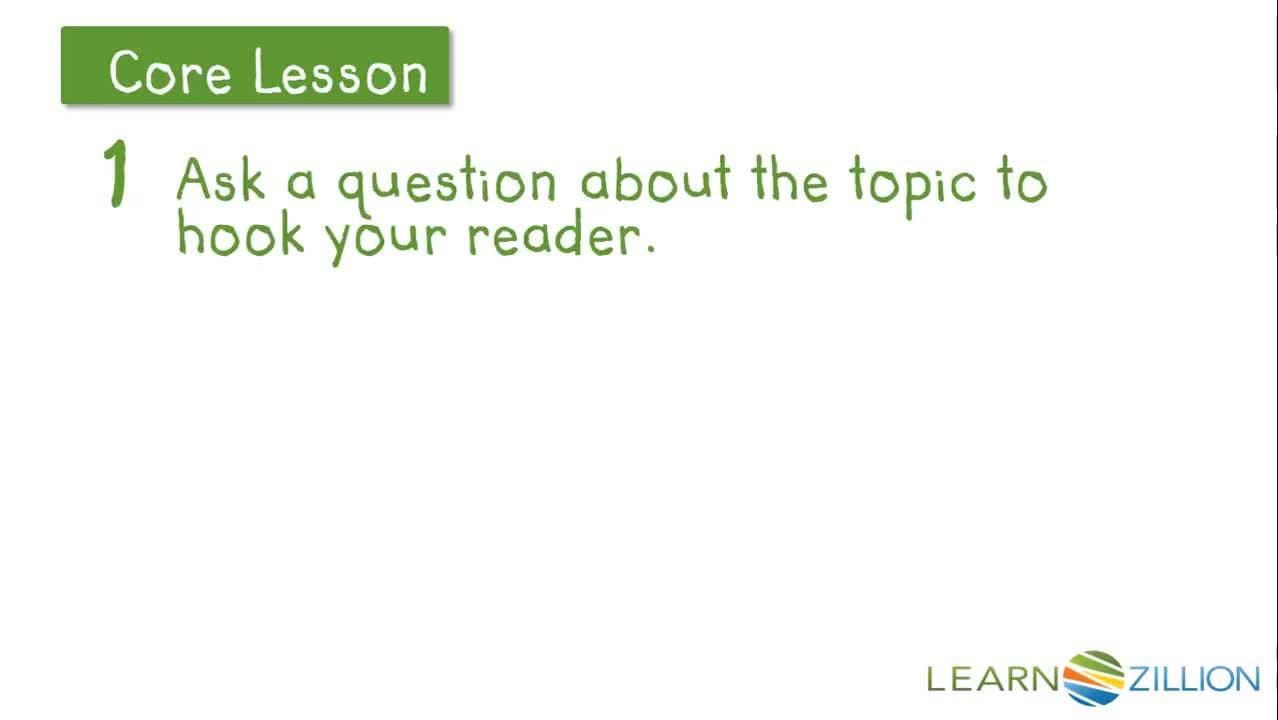
Creating a Strong Opening for an Informational Text

Creating a Strong Thesis Statement

Creating an Engaging Opening and Thesis for Your Opinion or Persuasive Essay

Creating an Introduction for an Informational Text

Decode 5-phoneme words that start with 3-consonant blends in a text