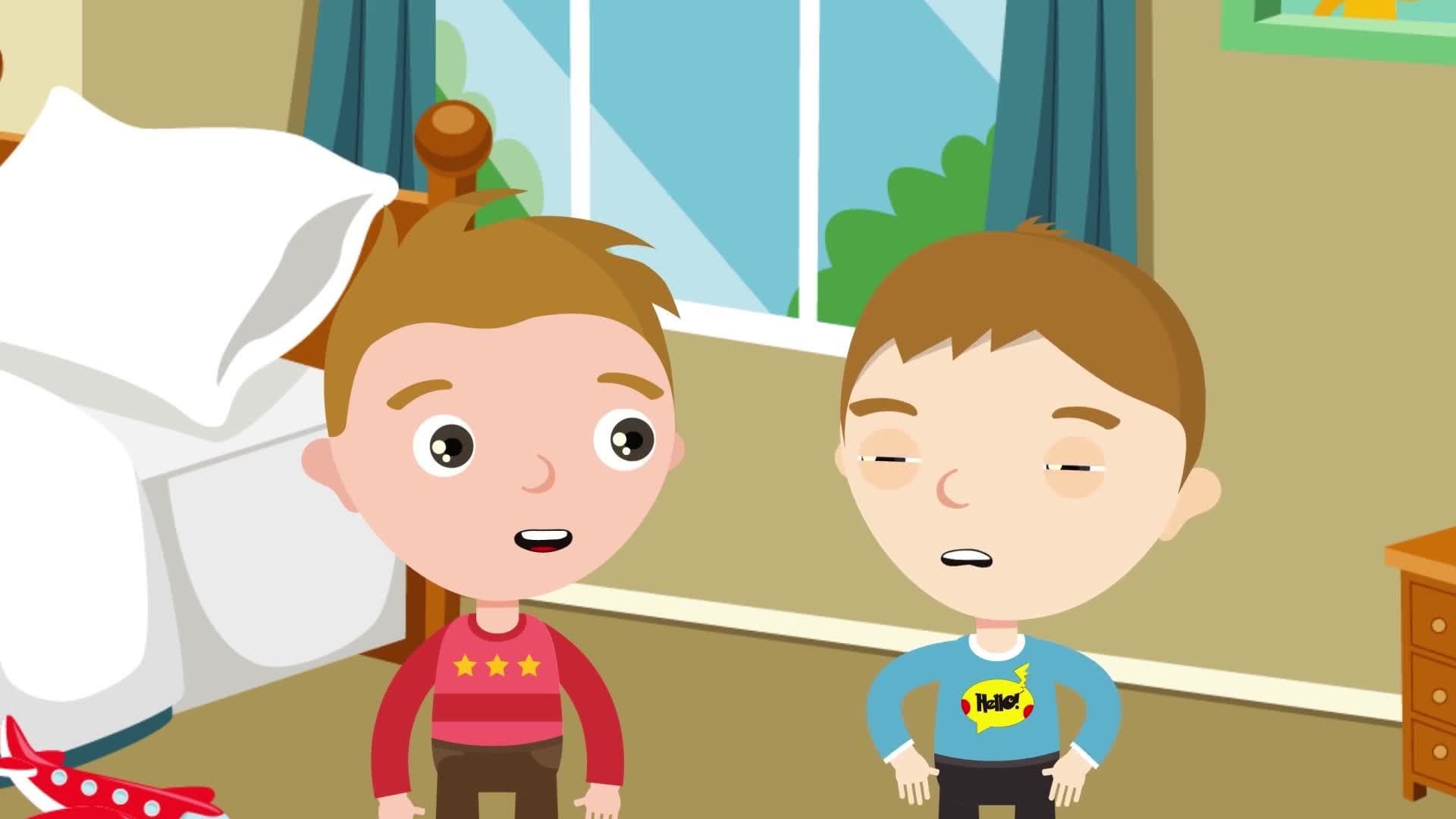
This is a great resource for PHSE and primary school students, this series will take students through different scenarios they will come across in daily life and give them the skills to deal with each one. This episode is all about being respectful and what is expected in certain social situations.
Tips for Parents
-
Here's how to talk to your child about it
After watching this video, a 4-year-old has learned that respect means thinking and acting in a positive way towards others and themselves. They have also learned that showing respect includes listening, valuing opinions, keeping promises, and taking responsibility for their actions.
-
4 activities you can do with your child now
- Discuss the importance of listening and paying attention when someone is speaking. Use the example of the child not listening to their granddad's story. - Talk about the significance of valuing other people's opinions. Use the example of creating a list of respectful behaviors with the child. - Teach the concept of keeping promises and the impact it has on gaining respect. Use the example of the child learning to keep their word. - Emphasize the importance of taking responsibility for one's actions. Use the example of admitting when you're wrong and apologizing to others.
-
Pretend play with your child
GAME: "Respectful Actions" Instructions: Take turns with your child listing examples of respectful actions based on the video. For each example, discuss why it is important to show respect. Encourage your child to think of their own examples too. This game helps teach children the importance of respect and how it affects others' feelings and well-being.
-
1 moral thought for your child inspired by this
"Respect is thinking and acting in a positive way towards others and yourself. Showing respect means caring about people's feelings and well-being. Examples include listening, valuing opinions, keeping promises, and taking responsibility for your actions."